
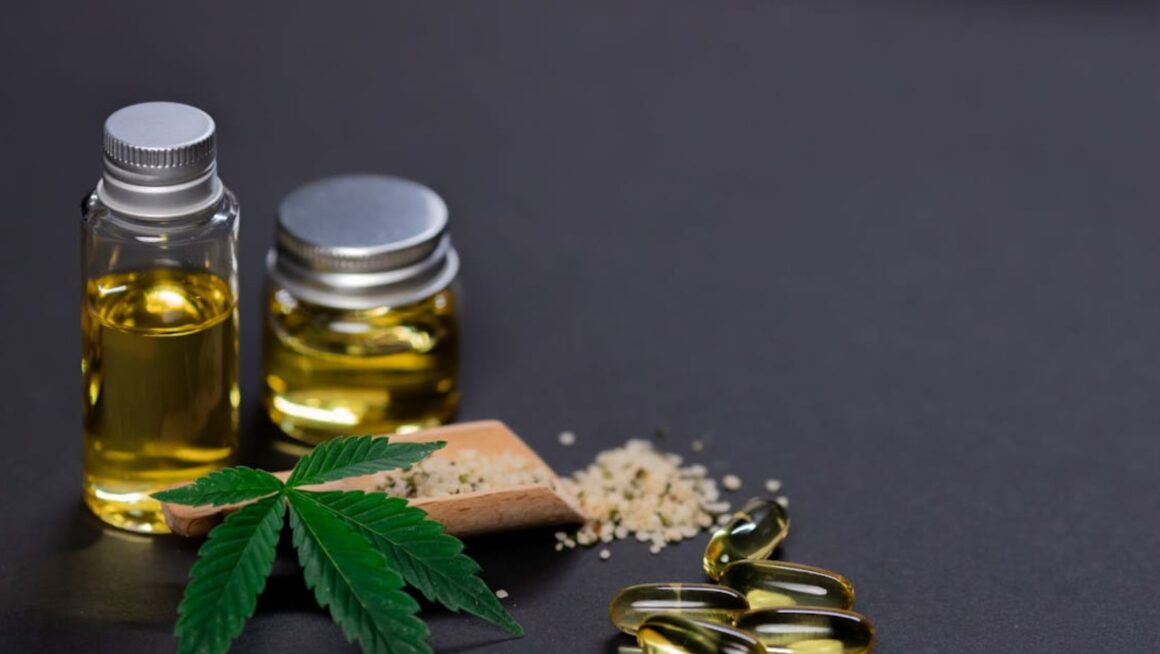
The health and wellness aisle used to be simple. Vitamins on the left, protein powders on the right, and maybe some herbal teas somewhere in the middle. Then plant-based health products arrived, and suddenly everyone has an opinion, a recommendation, and a product with a very confident label claim.
The confusion is understandable. New formats, unfamiliar terminology, and marketing that often raises more questions than it answers. If you’ve ever stared at a shelf of CBD oils and tinctures, wondering what any of it actually does, you’re not alone — and you’re not missing something obvious. The market genuinely is messy.
This guide cuts through it.
Why the Cannabis Health Products Market Is So Hard to Read
Three things make this market particularly difficult to read: regulatory gaps, inconsistent labeling, and marketing that moves faster than the science.
Unlike pharmaceuticals, hemp-derived health products don’t require pre-market approval in most countries. That means products reach shelves with minimal independent verification. A brand can use phrases like “supports wellness” or “promotes balance” without proving much of anything. The bar for entry is low, which is great for innovation and terrible for consumer clarity.
Add to that the sheer number of compounds involved — CBD, CBG, CBN, delta-8, full-spectrum, broad-spectrum, isolate — and most first-time buyers feel like they’ve walked into a chemistry lecture without the prerequisite course. The terminology isn’t always explained, and some brands prefer it that way.
The Most Common Cannabis Health Products and What Each One Actually Does
Different formats serve different purposes. Knowing what you’re actually buying changes everything.
CBD oils and tinctures are absorbed under the tongue and enter the bloodstream relatively quickly. They’re commonly used for stress, sleep, and general relaxation. Edibles and capsules take longer to absorb — up to two hours — but provide a more sustained effect. Topicals work locally, applied directly to skin or muscle tissue, without significant systemic absorption.
Then there are inhalation products. A disposable cannabis vape delivers compounds almost immediately into the bloodstream through the lungs, making it one of the fastest-acting formats available. That speed is useful for acute needs — but it also means effects arrive quickly and require some awareness of your tolerance.
Each format has a logical use case. The right one depends on what you’re trying to address and how quickly you need results.
How to Tell a Credible Cannabis Product From a Clever Marketing Claim
Most buyers hit a wall right here. The packaging on a low-quality product and a high-quality one can look nearly identical. Here’s what separates them:
- Third-party lab testing (COA) — A Certificate of Analysis from an independent lab confirms what’s actually in the product. If a brand doesn’t publish these, move on.
- Clear cannabinoid content labeling — Exact mg per serving, not vague “proprietary blend” language
- Transparent sourcing — Where was the hemp grown? Domestic, regulated farms matter.
- Realistic health claims — Credible brands don’t promise miracles. They describe mechanisms and cite research.
- No undisclosed ingredients — Full ingredient lists, no exceptions
- Customer reviews with specifics — Generic five-star praise means less than detailed, experience-based feedback
If a product checks all six boxes, it’s worth your attention. If it struggles with the first two, keep walking.
What the Current Research Says About Cannabis for Health and Wellness
The science is further along than skeptics suggest — and less conclusive than enthusiasts claim. That middle ground is where the honest answer lives.
CBD has the strongest clinical evidence base right now. FDA approval of Epidiolex for specific epilepsy conditions represents the clearest example of plant-derived cannabinoid efficacy in a controlled medical context. Beyond that, peer-reviewed studies point to meaningful effects on anxiety, sleep disruption, and inflammatory response, though large-scale human trials are still building.
CBG and CBN show early promise in areas like neuroprotection and sleep support. The research is younger and thinner, but the direction is interesting. Treat current findings as informed indicators, not settled conclusions.
The Safety Basics Every First-Time Cannabis Health Product Buyer Should Know
Start with a low dose. This applies regardless of format, regardless of what a friend told you worked for them, and regardless of what the label suggests.
CBD interacts with medications processed by the liver — blood thinners and certain anticonvulsants in particular. If you take prescription medication, a conversation with your doctor before adding any hemp-derived product is genuinely important. Not a formality. Actually important.
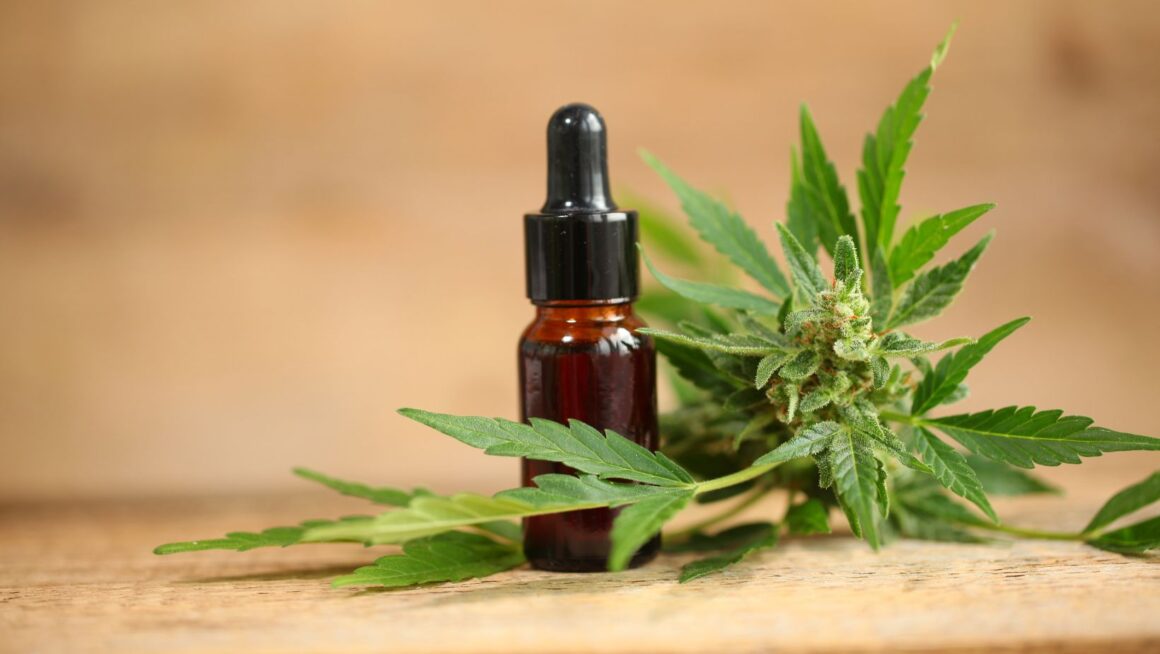
Side effects are generally mild — fatigue, digestive changes, dry mouth — but they’re real. Observe your response over the first week before adjusting dosage. And buy from brands that show their testing data. In a market with inconsistent quality control, your first line of defense is choosing carefully.
How to Match the Right Cannabis Health Product to Your Specific Goal
Match the format to the need. That’s the core principle.
Trouble sleeping? A CBD or CBN capsule taken 60–90 minutes before bed gives the absorption window time to work. Dealing with stress or anxiety mid-day? A fast-acting sublingual oil fits better. Localized muscle soreness? A topical addresses that without systemic effects. Consistent daily wellness support? A standard daily capsule or oil keeps things straightforward.
Be honest about your goal before you buy. “General wellness” is too vague to optimize for. “Better sleep quality” or “reduced post-workout inflammation” gives you something specific enough to evaluate results against.
Cutting Through the Noise Gets Easier Once You Know What to Look For
The hemp-derived health product market rewards informed buyers and takes advantage of confused ones. That’s a blunt summary, but it’s accurate.
Once you understand the formats, know how to evaluate quality, and have a specific goal in mind, the noise drops considerably. Most of the confusion in this market comes from vague marketing aimed at people who haven’t yet learned the right questions to ask.
Now you have them. Use them.
FAQs about Cannabis Health Products
Are all CBD products the same?
Absolutely not, and that’s the whole problem. Quality, concentration, and formulation vary wildly between brands. “CBD” on a label tells you roughly as much as “food” tells you about a restaurant. Always check the COA.
Will these products show up on a drug test?
Possibly, if the product contains THC, even trace amounts. Broad-spectrum and isolate products carry a lower risk than full-spectrum products. If drug testing is a concern in your life, choose carefully and read the lab report, not just the front label.
How long until I notice any effect?
Oils work within 15–45 minutes. Edibles and capsules take 1–2 hours. Consistent daily use over 2–4 weeks tends to show more meaningful results than a single test dose. Your body isn’t a vending machine — it takes a moment to respond.
Is a higher mg product always better?
Higher concentration isn’t automatically better — it’s just a higher starting point. A 1000mg oil used incorrectly delivers less benefit than a 300mg oil used consistently and appropriately. Dosage discipline matters more than the number on the bottle.
Are these products legal where I live?
Hemp-derived CBD under 0.3% THC is federally legal in the US — but individual states have their own rules, and international laws vary dramatically. Before checkout, a quick search of your local regulations saves a very awkward customs conversation.