
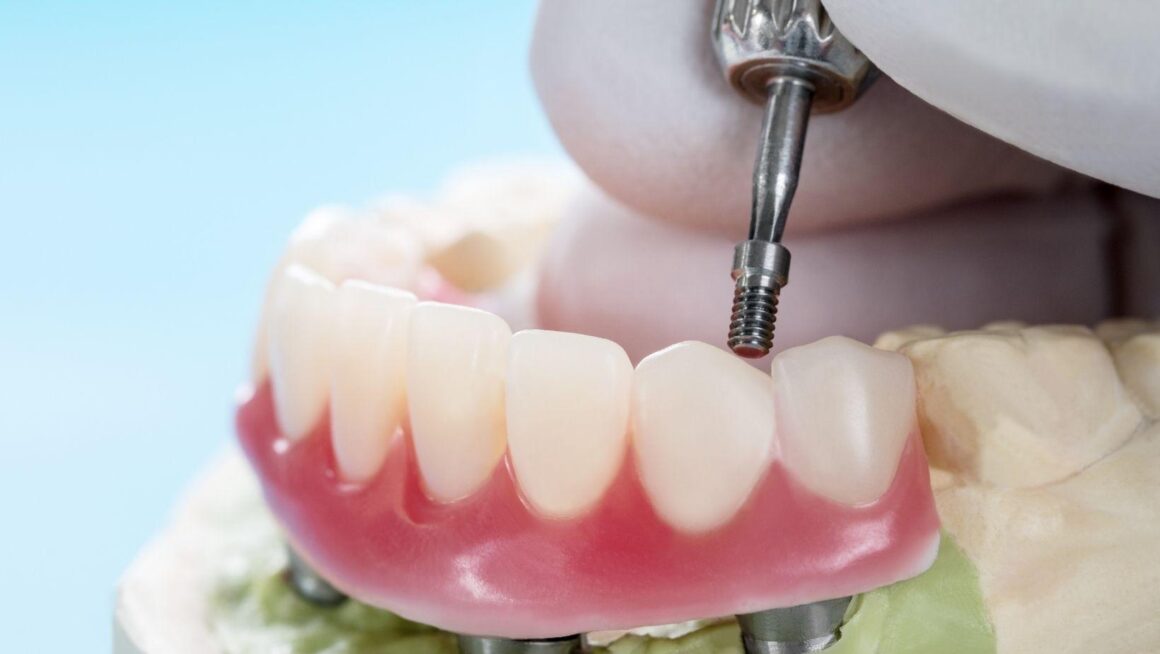
Same-day full-mouth implant surgery can sound intimidating, especially when you imagine extensive dental work completed in one appointment. During treatment, anesthesia and possible sedation help prevent pain, but you may feel pressure, movement, or vibration. Anyone considering same day teeth implants in Pittsfield, MA should know what to expect both during the procedure and in the days that follow.
You will likely experience soreness, swelling, and a deep ache after surgery rather than sharp pain. Discomfort often peaks within 48 to 72 hours and improves as you heal.
Your dentist can recommend medication, cold compresses, diet changes, and other recovery support based on your procedure and health needs. The treatment plan, number of implants, bone grafting, sedation method, and your personal pain sensitivity can all affect comfort.
Understanding what happens during surgery and how recovery progresses can help you prepare and recognize when symptoms require dental advice.
What Same-Day Full-Mouth Implant Treatment Involves
Same-day treatment may replace all teeth in your upper arch, lower arch, or both with implant-supported temporary teeth. The surgical plan, anesthesia, implant stability, and healing needs determine what you experience and whether you receive fixed teeth immediately.
The Surgical Process
Your dentist begins with an examination and three-dimensional imaging to assess your jawbone, gums, bite, and overall health. The team may remove damaged teeth before placing several implants in carefully selected positions.
Bone grafting or treatment for gum disease may need to occur first, which can prevent immediate loading. Local anesthetic numbs the treatment area, and sedation can help you remain relaxed.
You should not feel sharp pain during surgery, although you may notice pressure, vibration, or movement. After placement, your dentist checks whether the implants have enough initial stability to support temporary teeth.
You may receive prescriptions or instructions for pain medicine, antibiotics when appropriate, ice application, and a soft-food diet. Swelling, bruising, jaw stiffness, and soreness commonly develop after treatment and often peak during the first few days.
Contact your dental team if pain becomes severe, worsens instead of improving, or occurs with fever or unusual swelling.
Immediate Temporary Teeth
If your implants achieve adequate primary stability, your dentist may attach a temporary, fixed full-arch prosthesis on the day of surgery. This restoration lets you speak and maintain a more natural appearance, but it usually requires a soft diet while your implants heal.
Your temporary teeth do not function like a final, permanent prosthesis. Avoid hard, sticky, or crunchy foods, and follow the prescribed cleaning method to protect the surgical sites and implant connections.
Your dentist may adjust the bite if certain areas feel too high or uncomfortable. Healing continues beneath the temporary teeth for several months.
Follow-up visits allow your dentist to monitor gum healing, implant stability, hygiene, and your bite before replacing the temporary restoration with the final prosthesis. Not every patient qualifies for immediate fixed teeth; insufficient bone, medical factors, smoking, or inadequate implant stability may require a delayed approach.
What Patients Typically Feel During And After Surgery
You should expect little or no sharp pain during surgery because your dentist uses local anesthetic, with sedation available in many cases. Afterward, soreness, swelling, and pressure usually become more noticeable during the first few days before gradually improving.
Comfort During The Procedure
Your dental team will numb your mouth before placing the implants. You may feel pressure, vibration, pulling, or movement, but you should not feel sharp pain.
Tell the dentist immediately if you feel discomfort so the team can provide additional anesthetic. Sedation can reduce anxiety and make the procedure feel easier to tolerate.
Depending on the treatment plan and your health, you may remain awake but relaxed or remember little of the appointment. Full-mouth surgery takes longer and involves more treatment sites than a single implant, so fatigue and jaw stiffness can occur afterward.
Your comfort also depends on the number of implants, bone grafting, extractions, and the type of temporary teeth placed. Ask your provider which anesthetic and sedation options suit your medical history.
Expected Pain Levels In The First Week
Pain commonly begins as the anesthetic wears off. Most patients describe a deep ache, tenderness, or pressure rather than sharp pain.
Discomfort often reaches its highest point within 48 to 72 hours, when swelling may also be most noticeable. By days four through seven, pain should generally lessen, although chewing, speaking, and brushing near the surgical sites may remain uncomfortable.
Follow your prescribed medication schedule, use cold packs during the first day as directed, eat soft foods, and avoid smoking because it can impair healing. Contact your dental team if pain becomes severe, worsens after it had improved, or occurs with fever, spreading swelling, uncontrolled bleeding, or a persistent bad taste.
These symptoms can indicate infection or another complication requiring prompt assessment.
Pain Management And Recovery Support
You can usually control discomfort through planned anesthesia, prescribed medication, cold therapy, dietary changes, and careful activity limits. Pain often increases during the first 48–72 hours, then gradually improves, while jawbone integration continues for several months.
Anesthesia And Sedation Options
Your implant team typically uses local anesthesia to numb the gums, jawbone, and surgical sites. You should not feel sharp pain during placement, although you may notice pressure, vibration, or movement.
Tell the dentist immediately if you feel pain so they can provide additional anesthetic. Sedation can reduce anxiety and your awareness of the procedure.
Options may include oral medication, nitrous oxide, or intravenous sedation, depending on your health, treatment plan, and clinic protocols. General anesthesia is less common and requires appropriate monitoring.
You must disclose all medications, allergies, medical conditions, sleep-apnea history, and previous reactions to anesthesia. If you receive oral, intravenous, or deeper sedation, arrange transportation, avoid driving, and follow the clinic’s fasting and post-procedure instructions.
Medications And At-Home Care
Take pain medicine exactly as prescribed. Your dentist may recommend an anti-inflammatory such as ibuprofen, acetaminophen, or a combination, if your medical history allows.
Do not exceed labeled or prescribed doses, and ask before using ibuprofen if you take blood thinners, have kidney disease, ulcers, or certain cardiovascular conditions. Use prescribed antibiotics only as directed; they do not directly relieve pain.
Apply a cold pack outside your face for short intervals during the first day, using a cloth barrier. Rest with your head elevated, choose soft foods, avoid smoking and alcohol, and follow instructions about brushing, rinsing, and temporary teeth.
Avoid strenuous exercise until your clinician permits it. Contact your implant team if pain worsens after initial improvement, becomes severe despite medication, or occurs with fever, spreading swelling, pus, uncontrolled bleeding, trouble swallowing, or breathing difficulty.
Factors That Influence Individual Comfort
Your comfort depends on the extent of surgery, the condition of your jawbone, your medical history, and how your body heals. Additional procedures can increase soreness, while careful planning and appropriate pain control can make recovery more manageable.
Bone Grafting And Additional Procedures
If you need bone grafting, tooth extractions, sinus lifting, or treatment for infection, you may experience more swelling and soreness than someone receiving implants without these procedures. The surgical time and number of treated areas also affect how your mouth feels after anesthesia wears off.
Your dentist or oral surgeon may use local anesthetic with sedation during surgery, so you should not feel sharp pain during the procedure. You may notice pressure, vibration, or movement instead.
Afterward, discomfort often feels like tenderness or a deep ache and may be strongest during the first two to three days. Follow your provider’s instructions for prescribed or over-the-counter medication, cold packs, oral hygiene, and diet.
Avoid smoking and strenuous activity because they can delay healing and increase complications. Contact your dental team if pain worsens after initially improving, or if you develop persistent bleeding, fever, or swelling that affects breathing or swallowing.
Health History And Healing Response
Your medical history can influence both comfort and recovery. Diabetes, smoking, immune-system disorders, blood-clotting problems, and certain medications may slow healing or raise the risk of infection.
Tell your dental team about every medication and supplement you take, including blood thinners and drugs for osteoporosis.
Your response also depends on sleep, nutrition, stress, and how closely you follow postoperative instructions. Keeping your head elevated, choosing soft foods, maintaining the recommended oral-care routine, and attending follow-up visits can support recovery.
Do not change prescribed medication without medical advice.
Pain tolerance varies, but severe or increasing pain needs attention rather than comparison with another patient’s experience.
Ask your provider which symptoms are expected and when to call; the answer may depend on whether you received extractions, grafting, or other procedures.