
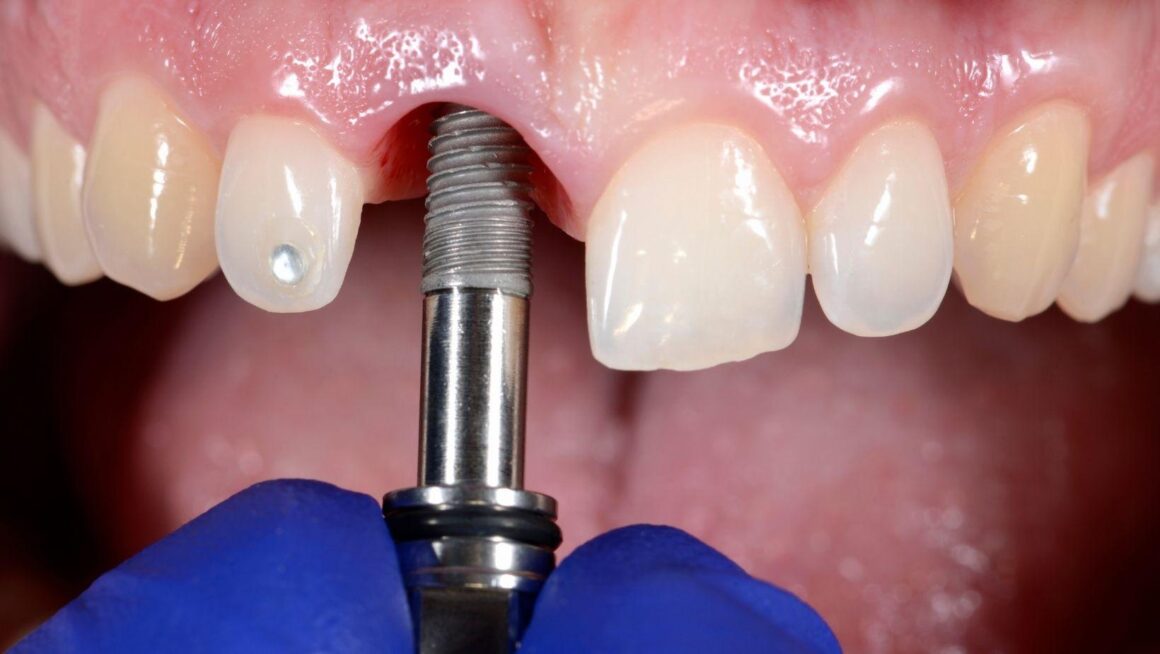
Recovering from full-mouth dental implants takes time, but you can expect steady progress as swelling, tenderness, and dietary restrictions ease. You will usually feel more comfortable within the first few weeks, while complete healing and implant integration often take three to six months. Patients who receive full mouth dental implants in Woodbury, MN can expect their dental team to guide them through each stage of this recovery timeline.
Your care routine during the first week can protect the surgical sites and support healing. Follow-up visits will help your dental team track healing, adjust your restoration, and address concerns before they affect your results.
Long-term maintenance, including daily cleaning and regular dental checkups, helps protect your implants and surrounding tissues.
The First Week After Surgery
During the first week, you will manage swelling and discomfort, choose foods that protect the surgical areas, and keep the mouth clean without disturbing the implants. Follow your surgeon’s instructions because the number of implants, bone grafting, temporary teeth, and your medical history can change your recovery needs.
Managing Swelling, Bruising, And Discomfort
Swelling commonly increases during the first 48–72 hours, then gradually improves. Apply a cold pack to the outside of your face for 15–20 minutes at a time, with breaks between applications, during the first day or two.
Keep your head elevated when resting, including while sleeping, unless your surgeon advises otherwise. Take prescribed or recommended pain medicine exactly as directed.
Do not place aspirin directly on your gums, and do not exceed the labeled dose of any over-the-counter medicine. Mild bruising, jaw stiffness, and tenderness can occur, particularly after extensive surgery.
Contact your dental team if pain or swelling worsens after initial improvement, continues to increase after the third day, or comes with fever, pus, a persistent bad taste, difficulty breathing, or difficulty swallowing.
Eating And Drinking Safely
Choose cool or lukewarm soft foods such as yogurt, scrambled eggs, smoothies eaten with a spoon, mashed vegetables, oatmeal, and blended soups. Drink water regularly, but avoid using straws because suction can interfere with healing at some surgical sites.
Do not eat hot foods or drink hot beverages while numbness remains; you could burn your mouth without noticing. Avoid hard, crunchy, sticky, spicy, acidic, or seed-filled foods that can irritate tissue or lodge around the implants.
If you received temporary fixed teeth, follow your provider’s instructions about chewing. You may need a soft diet for several weeks, especially if bone grafting or extensive implant placement occurred.
Maintain adequate protein and calories to support healing.
Protecting Surgical Sites
Do not pull your lip or cheek away to inspect the implants, and avoid touching the areas with your fingers or tongue. Do not smoke or use nicotine products, since nicotine can impair healing and increase the risk of complications.
Avoid alcohol unless your dental team confirms that it will not interact with your medicines. Brush the unaffected teeth gently with a soft toothbrush.
Your provider may recommend avoiding direct brushing over the surgical sites initially and using a prescribed rinse or gentle saltwater rinse instead. Do not rinse forcefully or spit hard.
Avoid strenuous exercise during the period your surgeon specifies, because increased blood pressure can promote bleeding. If bleeding occurs, place clean gauze over the area and apply steady pressure as instructed; call your dental team if it does not stop.
Healing Milestones And Follow-Up Care
Your jawbone needs time to bond with each implant before it can support permanent teeth. Regular follow-up visits help your dental team monitor healing, adjust temporary teeth, and address problems before they affect the final restoration.
Osseointegration And Bone Healing
Osseointegration occurs as your jawbone grows around the implant surfaces and stabilizes them. This process commonly takes three to six months, although the timing varies with bone quality, implant location, grafting, smoking, diabetes control, and your general health.
You may feel more comfortable within days or weeks, but improved comfort does not mean the bone has fully healed. Follow your eating restrictions and avoid chewing hard or sticky foods with the surgical areas until your dentist allows it.
Keep the sites clean according to your care instructions, and do not disturb healing tissue with fingers or objects. Call your dental team if you develop increasing pain, swelling that worsens after the first few days, pus, fever, persistent bleeding, or an implant that feels loose.
Prompt assessment can help protect the healing process.
Follow-Up Appointments And Adjustments
Your first appointment usually checks bleeding, swelling, sutures, and early tissue healing. Your dentist may remove sutures, review cleaning techniques, and modify your temporary teeth if they create pressure or interfere with your bite.
Additional visits allow the team to assess implant stability and gum healing. They may use clinical measurements or imaging when needed.
Attend every scheduled appointment, even when you feel well, because underlying problems may not cause noticeable symptoms. Contact the practice between visits if your bite suddenly changes, a temporary tooth breaks, your speech changes significantly, or your gums become increasingly tender.
Do not file, glue, or adjust the restoration yourself. Your dental team may also provide staged instructions for brushing, water-flossing, interdental cleaning, and gradually returning to normal foods.
Temporary Restoration Expectations
Temporary teeth protect the surgical areas and allow you to speak, smile, and eat softer foods during healing. They may feel bulky at first, and you may notice temporary changes in pronunciation, saliva flow, or chewing.
These effects often improve as you practice speaking and adapt to the new shape. Follow your dentist’s specific diet instructions.
Choose soft foods that require little chewing, cut food into small pieces, and avoid hard, crunchy, sticky, or excessively chewy items unless your team approves them. Temporary restorations can fracture or place excessive force on implants if you use them to bite hard foods.
Your dentist may adjust the fit or bite several times as swelling decreases and your tissues change. Treat the temporary restoration as a healing aid, not as the final design.
The permanent teeth are placed after the implants and surrounding tissues have stabilized.
Long-Term Recovery And Implant Maintenance
Your final teeth may be fitted only after your gums and jawbone heal sufficiently. Long-term success depends on consistent home care, professional reviews, and prompt attention to changes such as pain, swelling, looseness, or bleeding.
Transitioning To Permanent Teeth
You may wear temporary teeth while your implants integrate with the jawbone, a process that often takes three to six months. Your dentist will monitor healing through examinations and imaging before placing the permanent restoration.
The final teeth should restore chewing function, speech, appearance, and a stable bite. Your dental team may adjust the fit or bite to reduce excess pressure on individual implants.
Follow dietary instructions during the transition, especially if your temporary teeth feel unstable or your dentist has limited hard, sticky, or chewy foods. Permanent teeth still require care and periodic adjustment.
Avoid using them to open packages or bite hard objects, which can damage the restoration or place unnecessary force on the implants.
Oral Hygiene And Professional Cleanings
Brush twice daily with a soft-bristled toothbrush and fluoride toothpaste. Clean beneath and around the restoration with tools your dental team recommends, such as implant-specific floss, interdental brushes, or a water flosser.
These areas can collect plaque even when the teeth look clean. Do not force floss or cleaning devices against the gums.
Ask your dental team to demonstrate the correct technique for your specific restoration, because removable and fixed full-arch teeth require different access points. Schedule professional cleanings and implant examinations at the interval your dentist recommends, often every three to six months at first.
During these visits, the team checks gum health, implant stability, bite pressure, and the condition of screws, attachments, and prosthetic teeth.
When To Contact Your Dental Team
Contact your dental team promptly if you develop increasing pain, swelling, pus, persistent bleeding, fever, or a bad taste or odor that does not improve with cleaning.
These symptoms can indicate infection or another complication requiring assessment.
Report any movement, clicking, looseness, cracks, or changes in the way your teeth meet.
Do not attempt to tighten, repair, or adjust the restoration yourself.
Seek urgent care for facial swelling that affects breathing or swallowing, uncontrolled bleeding, or severe pain.
Keep scheduled follow-up appointments even when you feel comfortable.