
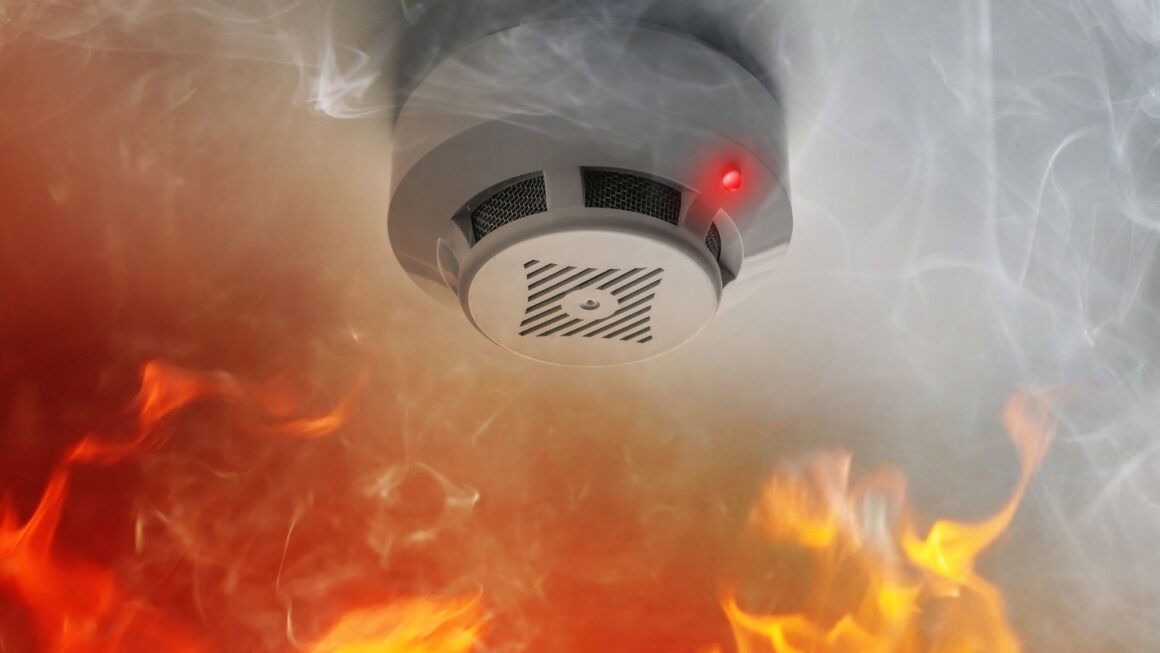
Fire safety is a major concern in homes, workplaces, and public spaces. Even with modern materials and technologies, fire risks remain. Many everyday items, such as plastics, textiles, and foams, are highly flammable, making it important to slow down fires and reduce their impact. Companies like ICL Flame Retardants develop chemical solutions that help make materials safer and provide extra protection in case of fire.
Flame retardants are added to materials to slow ignition, prevent flames from spreading quickly, and give people more time to respond. They are used in a variety of products, including electronics, insulation, furniture, and clothing. These solutions play an important role in keeping environments safer for people and property.
Modern flame retardants continue to evolve to meet safety standards and the needs of different materials. Their development supports innovation while helping industries create products that are safer and more reliable.
What Are Flame Retardants and Why Are They Used?
Flame retardants are chemicals added to materials to help slow down fires. They don’t make things completely fireproof, but they can stop flames from spreading too fast, giving people more time to stay safe.
You’ll come across them in lots of everyday things. Electronics like phones and TVs, building materials such as insulation, vehicles, and even fabrics like furniture or clothing often have these added. The idea is simple: make everyday products safer without changing how they work or feel.
Companies around the world create these solutions for all kinds of uses. ICL Flame Retardants, for example, develops materials that can be safely used across industries while keeping fire safety at the forefront of mind.
How Flame Retardants Improve Fire Safety Performance
Flame retardants work in a few clever ways to help keep fires under control. Some absorb heat, cooling the material down, while others interfere with the oxygen that flames need to keep burning. Certain types even form a protective char layer on the surface, which acts like a shield against spreading fire.
The result is that materials take longer to catch fire and flames move more slowly, giving people extra time to respond. This makes a big difference in safety, whether it’s in a home, office, or vehicle.
Research and innovation are always happening in this field. Companies like ICL Flame Retardants are constantly improving formulations to make them more effective and versatile, helping industries create safer materials for everyday use.
Flame Retardants in Industrial and Commercial Applications
Flame retardants are used in many industries to make materials safer. From electronics and construction to transportation and textiles, they help reduce fire risks in places where safety is critical.
In industrial settings, using the right flame retardant can make a big difference. It ensures materials meet safety standards, perform reliably, and protect both people and property. Manufacturers rely on advanced solutions to keep up with these demands.
Some companies specialize in creating these kinds of materials for different applications. Businesses such as ICL, for example, provide products that are designed to work effectively across a range of industries while keeping fire safety a top priority.
Regulation, Safety Standards, and Sustainability
Flame retardants are not just about performance. They also have to meet strict safety and environmental standards. Governments and industry groups require materials to be tested to make sure they are safe for use in homes, workplaces, and public spaces.
Sustainability is becoming more important. Manufacturers are looking for solutions that reduce environmental impact while still keeping materials resistant to fire. Newer flame retardants are designed to protect people and the planet while keeping materials effective.
In the industry, leading developers continue to improve their formulations to meet evolving standards. Companies like ICL adjust their products to support both safety and sustainability, helping materials across electronics, construction, and textiles remain reliable and responsible.
Conclusion
Flame retardants play a crucial role in keeping people and property safe. By slowing ignition, reducing flame spread, and adding extra protection, they help materials perform safely in everyday environments. Their use spans electronics, construction, vehicles, and textiles, making them an essential part of modern fire safety.
Over time, these solutions have evolved to meet stricter safety standards and growing sustainability expectations. Leading developers, including ICL, continue to improve formulations to balance performance, safety, and environmental responsibility. These innovations ensure that materials remain reliable while providing effective protection across a wide range of applications.