
Healthcare is becoming increasingly focused on understanding the individual needs of each patient. Rather than relying on the same approach for everyone, medical professionals now use diagnostic tools and clinical information to develop care plans based on a person's condition, symptoms, and medical history. This approach is particularly important in vascular care, where identifying the exact cause of circulation problems can influence treatment decisions. Patients exploring specialized vein treatment for Scottsdale patients can benefit from understanding how modern diagnostic technology supports more informed decisions about their care.
Vein disorders can affect people in different ways. Some individuals notice enlarged veins, while others experience leg heaviness, swelling, aching, or skin changes. Diagnostic technology helps healthcare professionals look beyond visible symptoms and examine how blood moves through the veins.
Understanding the Importance of Vascular Health
The vascular system includes the network of blood vessels responsible for transporting blood throughout the body. Arteries carry blood away from the heart, while veins return it toward the heart.
In the legs, veins work against gravity. Small one-way valves help prevent blood from flowing backward as it travels upward. When these valves become weak or damaged, blood may collect in the veins and increase pressure inside them.
This can contribute to conditions such as varicose veins and chronic venous insufficiency. Depending on the severity, people may experience visible enlarged veins, swelling around the ankles, aching, itching, or changes in skin appearance.
Because these symptoms can overlap with other health conditions, an accurate evaluation is important before deciding on a treatment approach.
How Diagnostic Technology Helps Identify Vein Problems
Modern diagnostic equipment allows healthcare professionals to examine blood vessels without relying entirely on physical symptoms. These tools provide information about vein structure, blood-flow direction, and valve function.
Duplex Ultrasound
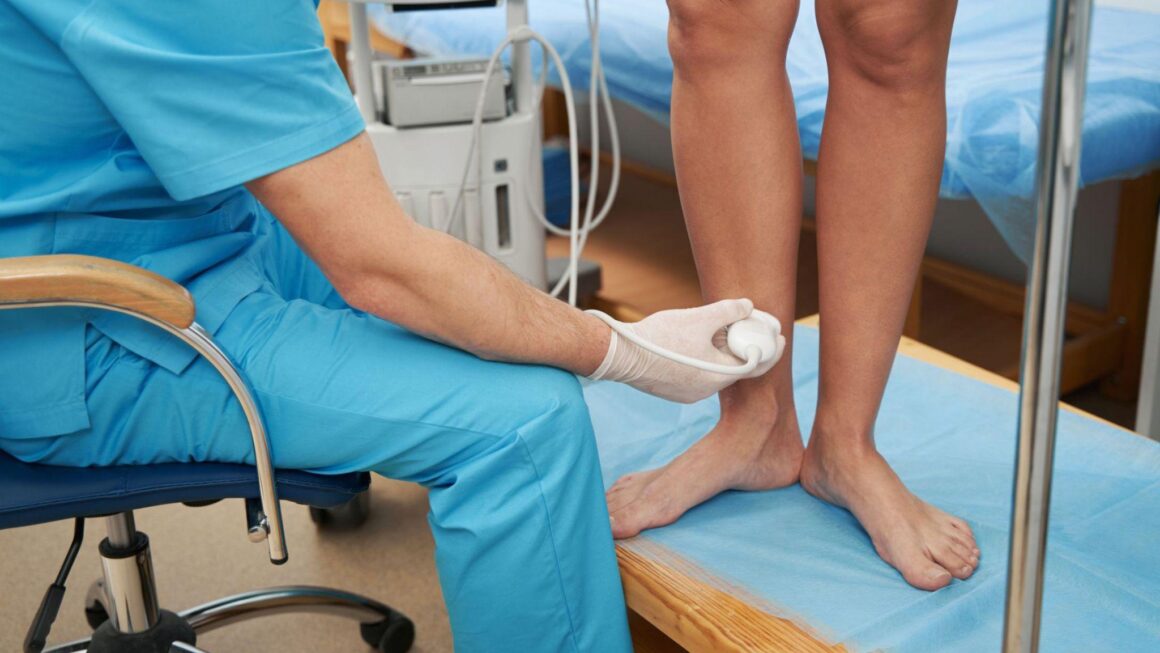
Duplex ultrasound is one of the most commonly used tests for evaluating vein conditions. It combines conventional ultrasound imaging with Doppler technology to examine both the structure of the veins and the movement of blood.
During the examination, a handheld device called a transducer is moved over the skin. Sound waves create images of the blood vessels, while Doppler technology helps assess how blood is flowing through them.
The test can help identify areas where blood is moving backward because of faulty valves. It can also help specialists understand which veins are affected and whether the findings may explain the patient's symptoms.
Since duplex ultrasound does not use ionizing radiation, it is a commonly used non-invasive diagnostic method.
Doppler Blood-Flow Assessment
Doppler technology provides information about the direction and speed of blood movement. This is particularly useful when investigating venous reflux, a condition in which blood flows backward through veins instead of moving efficiently toward the heart.
The information gathered can help healthcare professionals assess whether the valves are functioning properly.
Doppler assessment is often part of a complete duplex ultrasound examination. Together, these methods provide a clearer picture of the condition being investigated.
Vascular Mapping
Vascular mapping involves examining the location and condition of specific blood vessels. In vein care, ultrasound can be used to identify affected veins and understand their relationship to surrounding vessels.
This information can be useful when planning certain procedures. Knowing which veins are involved helps the specialist consider the most appropriate approach instead of treating only the visible surface changes.
The exact examination depends on the patient's symptoms and the condition being investigated.
Why Personalized Diagnosis Matters
Two people can have similar-looking varicose veins but require different care plans. One person may have minor visible veins without significant discomfort, while another may experience swelling, aching, and changes in skin condition.
Treating both patients in exactly the same way would overlook important differences.
Personalized diagnosis considers several factors, including medical history, symptoms, physical examination findings, and imaging results. It helps healthcare professionals understand the underlying issue before recommending treatment.
For example, a patient with symptoms associated with venous reflux may require a different approach from someone whose main concern involves smaller surface veins.
A detailed evaluation can also help identify situations where symptoms may be caused by something other than a vein disorder. This reduces the risk of assuming that every case of leg pain or swelling has the same explanation.
How Diagnostic Findings Influence Treatment Options
Once a vein condition has been evaluated, the specialist can discuss possible management options. The recommended approach depends on the affected veins, symptom severity, medical history, and overall health.
Lifestyle Changes and Conservative Care
Not every patient requires a medical procedure. Some people may benefit from regular physical activity, avoiding long periods in one position, leg elevation, or other practical adjustments.
Walking can support circulation because the muscles in the lower legs help move blood through the veins. Taking regular movement breaks may also help people who spend much of the day sitting or standing.
Compression stockings may be recommended for certain patients to help manage swelling and discomfort. However, they should be selected with professional guidance, particularly when other circulation problems are present.
Endovenous Laser Treatment
Endovenous laser treatment is a minimally invasive procedure used for selected cases of venous reflux. A thin catheter is guided into the affected vein, and laser energy is used to heat and close it.
After the vein is closed, blood is redirected through healthier nearby veins. The procedure is commonly performed using local anesthesia, although suitability depends on the patient's condition and clinical assessment.
Radiofrequency Ablation
Radiofrequency ablation is another option for treating certain veins with faulty valves. It uses controlled heat generated by radiofrequency energy to close the targeted vein.
Like laser treatment, it is performed through a small access point rather than a large surgical incision. The specialist determines whether this approach is appropriate after reviewing the ultrasound findings.
Sclerotherapy
Sclerotherapy involves injecting a solution into selected veins to make them close gradually. It is commonly used for spider veins and certain smaller varicose veins.
The number of sessions required depends on the size, number, and location of the affected veins. A healthcare professional can explain what results may reasonably be expected.
Ambulatory Phlebectomy
Ambulatory phlebectomy may be considered for certain enlarged surface veins. During the procedure, a specialist removes targeted veins through very small openings in the skin.
The technique is generally performed under local anesthesia. It may be used alone or alongside another treatment, depending on the patient's individual needs.
The Importance of Monitoring and Follow-Up Care
Personalized vascular care does not end with diagnosis or treatment. Follow-up appointments can help healthcare professionals review recovery, evaluate symptoms, and decide whether further care is necessary.
Ultrasound may be used in selected cases to assess the treated area or investigate ongoing symptoms. The need and timing of follow-up imaging depend on the procedure performed and the patient's clinical situation.
Patients should also understand which changes require medical attention. New or worsening swelling, persistent discomfort, skin changes, or bleeding from a vein should be discussed with a healthcare professional.
Sudden swelling or pain in one leg, particularly with warmth or redness, requires prompt medical evaluation because it can be a sign of deep vein thrombosis. Chest pain or sudden difficulty breathing requires emergency care.
Technology and the Patient Experience
Diagnostic technology can improve the patient experience by making it easier to understand what is happening inside the body. Instead of relying only on a description of symptoms, patients may be able to review ultrasound findings and receive a clearer explanation of their condition.
This can make conversations about treatment more meaningful. Patients can ask why a particular procedure is being considered, what alternatives are available, and what recovery may involve.
Technology also supports communication between healthcare professionals by providing images and examination results that can be reviewed as part of the patient's medical record.
However, equipment is only one part of quality care. The experience of the medical professional, the accuracy of the examination, and the time spent explaining the findings all contribute to good decision-making.
What Patients Should Discuss During a Vascular Consultation
A vascular consultation is an opportunity to understand symptoms and explore appropriate care options. Patients can help make the appointment more useful by explaining when symptoms began, whether they become worse at certain times, and whether anything seems to improve them.
It is also helpful to mention previous vein treatments, relevant medical conditions, medications, and family history.
Patients should ask whether diagnostic imaging is necessary, what the results indicate, and whether treatment is recommended. They should also understand the potential benefits, risks, limitations, and recovery expectations of any proposed procedure.
A clear discussion helps patients make decisions based on reliable medical information rather than assumptions or online comparisons alone.
The Future of Personalized Vascular Care
Diagnostic technology continues to develop, offering healthcare professionals improved ways to examine blood vessels and plan treatment. Better imaging quality and more detailed assessments may support earlier identification of certain vascular problems and more precise treatment planning.
At the same time, personalized care will continue to depend on combining technology with clinical experience. A diagnostic image cannot explain every symptom on its own. Medical history, physical examination, and professional judgment remain essential.
As healthcare continues to advance, the goal is not simply to introduce more equipment but to use the available tools in ways that improve patient understanding and support appropriate care.
Conclusion
Diagnostic technology plays an important role in modern vascular care. Tools such as duplex ultrasound and Doppler assessment help healthcare professionals examine blood flow, identify faulty vein valves, and understand the extent of certain vein disorders.
These findings support more personalized treatment decisions, allowing care plans to reflect each patient's symptoms, medical history, and clinical needs. For people experiencing persistent leg discomfort or visible vein changes, a professional evaluation can provide useful answers and help clarify the available options.
By combining modern diagnostic methods with experienced medical guidance, patients can make more informed decisions about their vascular health and long-term well-being.