

Steve Weymer understands that agriculture accounts for nearly 70% of global freshwater use, making it the most significant consumer among all sectors. As climate change intensifies droughts and shifts rainfall patterns, the pressure to manage water more efficiently continues to rise.
Traditional farming methods often rely on irrigation systems that waste water through evaporation or runoff. In regions already facing water stress, this inefficiency can contribute to food insecurity and environmental degradation. As populations grow and arable land becomes limited, finding ways to grow more with less water is becoming essential.
In recent years, water-smart agricultural practices have gained attention. Countries such as Israel and Australia have adopted advanced irrigation and conservation strategies to maximize the use of their limited water resources. These approaches are now being explored more widely as part of a global effort. Additionally, community-led initiatives in parts of Sub-Saharan Africa are incorporating low-cost rainwater harvesting systems to support small farmers during dry seasons.
Hydroponics and Its Core Methods
Hydroponics is a technique that enables plants to grow without soil, utilizing a water-based solution rich in essential nutrients. By eliminating the need for traditional farmland, this method supports cultivation in regions where soil is poor, contaminated, or unavailable. It’s especially useful in urban areas where space is at a premium and conditions can be controlled more precisely.
Systems like aeroponics suspend plant roots in oxygenated water or mist, allowing them to absorb nutrients directly. This direct delivery often leads to faster growth rates and higher yields compared to conventional farming. These systems also use significantly less water, as the nutrient solutions are recirculated rather than absorbed and lost into the soil. The closed-loop nature of hydroponics also makes it easier to monitor plant health and quickly correct nutrient imbalances.
Hydroponics is not limited to leafy greens and herbs. Tomatoes, strawberries, and peppers are commonly grown in this manner in commercial operations. As technology improves and costs decrease, these systems are becoming more accessible to small-scale growers and organizations alike.
Milestones in the Development of Hydroponics
Steve Weymer explains that hydroponics stretches back centuries, but it wasn’t until the 20th century that it gained scientific traction. In the 1930s, researchers began experimenting with nutrient solutions to grow crops without soil, laying the foundation for commercial systems.
NASA played a crucial role in advancing hydroponic techniques during the space race, exploring ways to sustainably grow food beyond Earth. Their innovations helped refine closed-loop systems that conserve water and recycle nutrients, principles still used in modern designs.
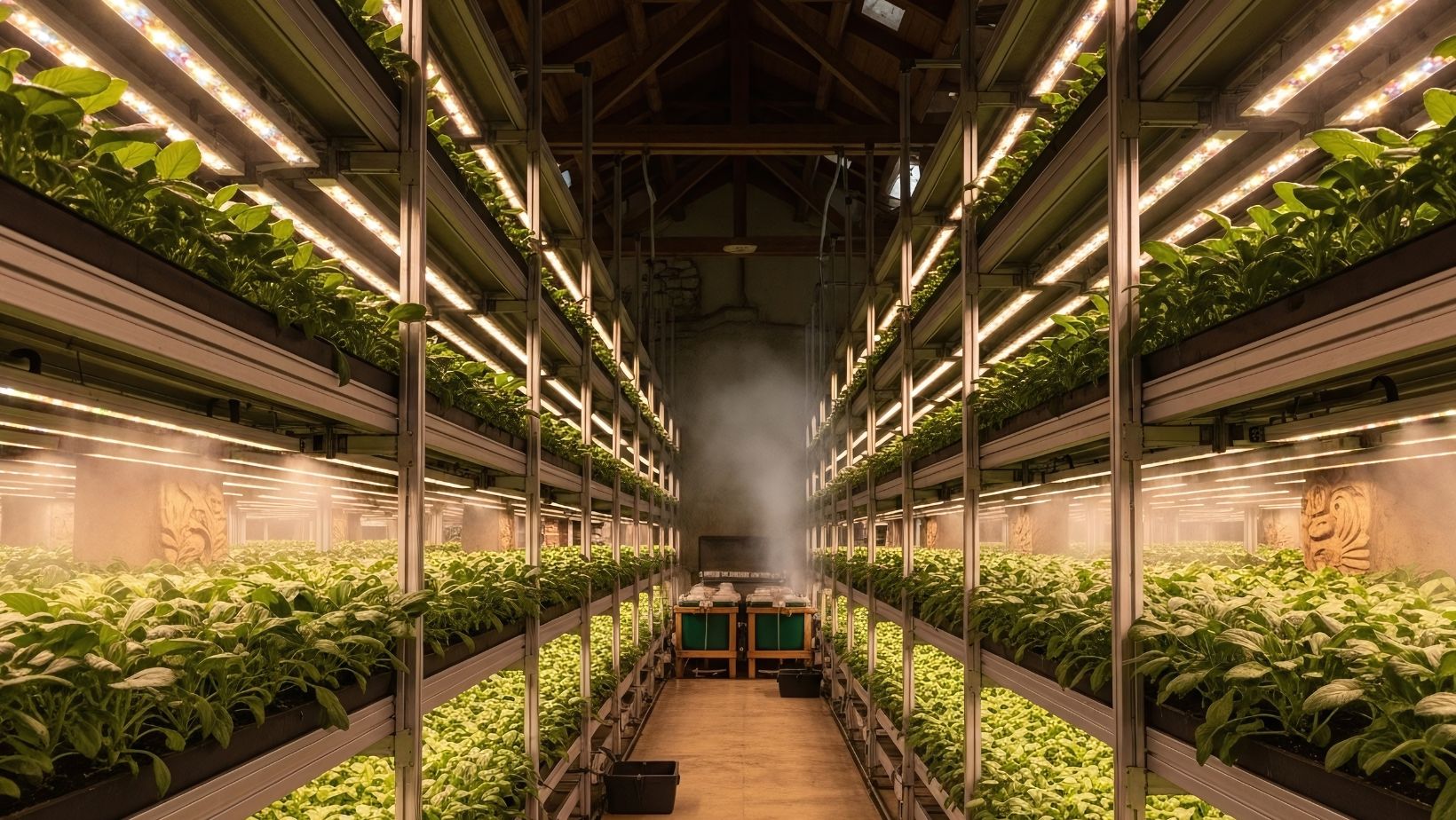
By the early 2000s, hydroponics had moved from research labs and experimental greenhouses into mainstream agriculture. Countries with limited arable land began investing in commercial hydroponic farms to improve food security and reduce import dependence. Today, it continues to evolve through automation, data monitoring, and integration with vertical farming practices. Major cities, such as Singapore and Tokyo, have adopted these systems to reduce their reliance on food imports.
Comparing Hydroponics and Traditional Farming
Conventional farming typically requires large volumes of water, much of which is lost to evaporation, runoff, or inefficient irrigation techniques. In contrast, hydroponic systems are designed to recirculate water, dramatically reducing overall consumption. Studies have shown that hydroponics can use up to 90% less water than soil-based agriculture.
Many hydroponic farms operate in controlled environments, which helps minimize waste and allows for year-round production. In desert regions like the United Arab Emirates, growers have turned to hydroponics to produce vegetables with minimal water, demonstrating how it can thrive in even the harshest climates. By closing the loop on water usage, these systems also prevent nutrient runoff that often pollutes surrounding ecosystems in traditional agriculture.
Expanding Water-Saving Techniques in Modern Farming
Modern agriculture is embracing a mix of traditional wisdom and cutting-edge technology to conserve water. Drip irrigation, once limited to specialty crops, is now being applied to staple foods across arid landscapes. This method delivers water directly to plant roots, reducing evaporation and runoff while improving yield.
Aquaponics, which combines fish farming with hydroponics, further maximizes water use by creating a balanced ecosystem where fish waste nourishes plants. In addition, many large farms are now integrating sensors and real-time data analytics to monitor soil moisture and adjust watering schedules accordingly. These precision tools ensure that crops receive only the amount of water they truly need.
Challenges and Future Opportunities
Despite its benefits, hydroponics still faces obstacles that limit widespread adoption. High startup costs, technical expertise, and energy demands can be prohibitive for small-scale farmers, especially in developing regions. Infrastructure and access to reliable electricity remain significant hurdles in rural areas.
Nevertheless, Steve Weymer suggests that the potential for hydroponics and other water-efficient systems to reshape agriculture is growing. As urban populations continue to rise, vertical farms integrated into city landscapes are becoming increasingly common. Innovations in solar-powered systems and automation may soon lower barriers, making these solutions more scalable and affordable. The future of sustainable agriculture will likely depend on how well these technologies can be adapted across various climates and economies.