

Ever wondered about the health challenges astronauts face while in the vast expanse of space? Welcome to the fascinating world of space medicine. This field, still in its infancy, is a blend of many medical, physiological, and pathological issues associated with space exploration.
From understanding the effects of zero gravity on the human body to developing countermeasures for cosmic radiation, space medicine is a frontier science that’s pushing the boundaries of our knowledge. It’s not just about keeping astronauts safe and healthy; it’s about paving the way for humankind’s future in space.
Space Medicine
In the era of space exploration, the field of space medicine has grown exponentially, shaping itself around the unique challenges presented by the extraterrestrial environment. This section uncovers the transformative journey of space medicine, revealing how medical research in space evolved and exposing notable developments.
The History of Medical Research in Space
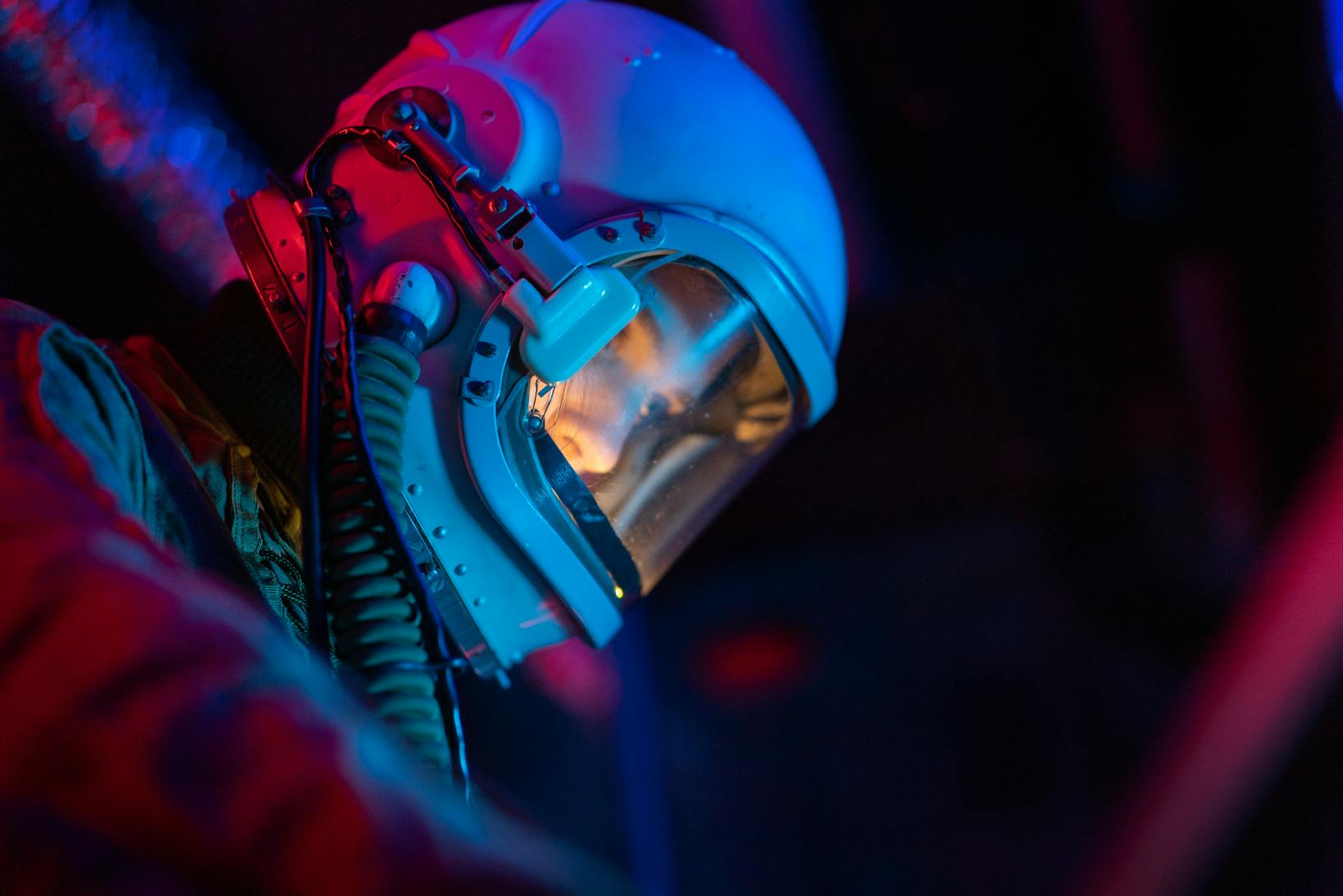 Space medicine’s identity took root during the research-intensive mid-20th century, amidst the race to reach the moon. Initial medical research in space sought answers to fundamental questions about human survivability in outer space, focusing on overcoming physiological transformations triggered by a zero-gravity environment. In the subsequent years, research broadened, including mental health studies amidst long-duration space missions, paving a path for comprehensive astronaut care.
The Key Milestones in Space Medicine
Several key milestones shaped the current state of space medicine. The highlight remains the Apollo missions (1961-1972), instigating an unparalleled cascade of advancements in this specialty. For example, the Apollo Lunar Surface Experiments Package, seeking a deeper understanding of the lunar environment, imparted significant insights about cosmic radiation’s effects on human physiology.
Understanding the Basics of Space Medicine
This section illuminates fundamental aspects of space medicine, effectively complementing the previous discourse about its evolution and importance. It essentially elaborates on two main challenges encompassing the health impacts of microgravity and space radiation on astronauts.
The Effects of Microgravity on Human Health
 Microgravity, synonymous with weightlessness in space, significantly influences human health. It primarily affects bodily fluids and muscles, leading to dramatic transformations in astronauts’ bodies. These changes materialize within a few days of exposure to the space environment characterized by microgravity.
Fluid shifts in astronauts’ bodies present a prominent aspect of these transformations. In terrestrial conditions, gravity pulls fluids towards the lower part of the body. In space, microgravity results in fluids evenly distributing throughout the body. This equal distribution induces the feeling of nasal congestion, along with visibly puffy faces in astronauts. Simultaneously, it influences the body’s volume regulation leading to frequent urination, aptly documented by data from NASA’s Human Research Program.
Space Radiation and Its Impact on Astronauts
Markedly different from radiation on Earth, space radiation poses significant health threats to astronauts. Comprising largely of high-energy ions and particles, this radiation pierces protective shields and human tissue more readily. The implications range from acute effects like nausea and fatigue to long-term risks like cancer, as defined by the National Council on Radiation Protection and Measurements.
Moreover, space radiation is capable of impacting the central nervous system. It can lead to changes in motor function and cognition, posing a risk to mission success and astronaut health. For instance, it’s linked to a condition called “cosmic ray visual phenomena” or light flashes observed by astronauts, including those on Apollo Lunar Missions, as noted in studies published in Radiation Research.
Conclusion
Space medicine’s intriguing journey from its inception to the present day illuminates the complexities of human health in space. It’s clear that the challenges posed by zero gravity and cosmic radiation are not to be underestimated. They necessitate innovative countermeasures to ensure astronaut well-being and mission success