

As Clean Nutra notes, our daily choices carry more weight than we think. Health and longevity aren’t shaped by occasional gestures but by the routines we repeat. Whether it’s the meals we prepare, how we manage stress, or the way we move throughout the day, these habits shape our well-being. Small efforts, when woven into a rhythm, become powerful tools for resilience, energy, and emotional balance. It’s not about perfection but about finding the right habits that are sustainable.
Why Daily Habits Matter for Longevity
The way people live day to day, what they eat, how they move, and how they manage stress shape long-term health more than many realize. Research continues to show that lifestyle choices often outweigh genetics when it comes to aging.
Consider someone who walks daily, eats nourishing meals, and gets consistent rest. Gradually, those habits build resilience against illness and support higher energy levels. Rather than relying on occasional big efforts, it’s the regular, often unnoticed routines that make the biggest difference.
Eating for Health
A balanced approach to food supports not only energy but also long-term cellular health. Meals centered around whole ingredients, such as vegetables, grains, and lean proteins, supply the body with the nutrients it needs to function efficiently. Over time, these choices can help regulate blood sugar, manage weight, and reduce inflammation. Even something as basic as swapping sugary snacks with a handful of nuts can have lasting health benefits.
Clean Nutra suggests that someone who keeps a water bottle nearby or preps simple meals ahead of time often finds it easier to make healthier decisions when life gets busy. Choosing to eat with intention rather than impulse can gradually become a natural part of the day. Processed foods high in added sugars and refined oils may be convenient, but reliance on them can lead to fatigue and chronic issues.
Movement and Physical Consistency
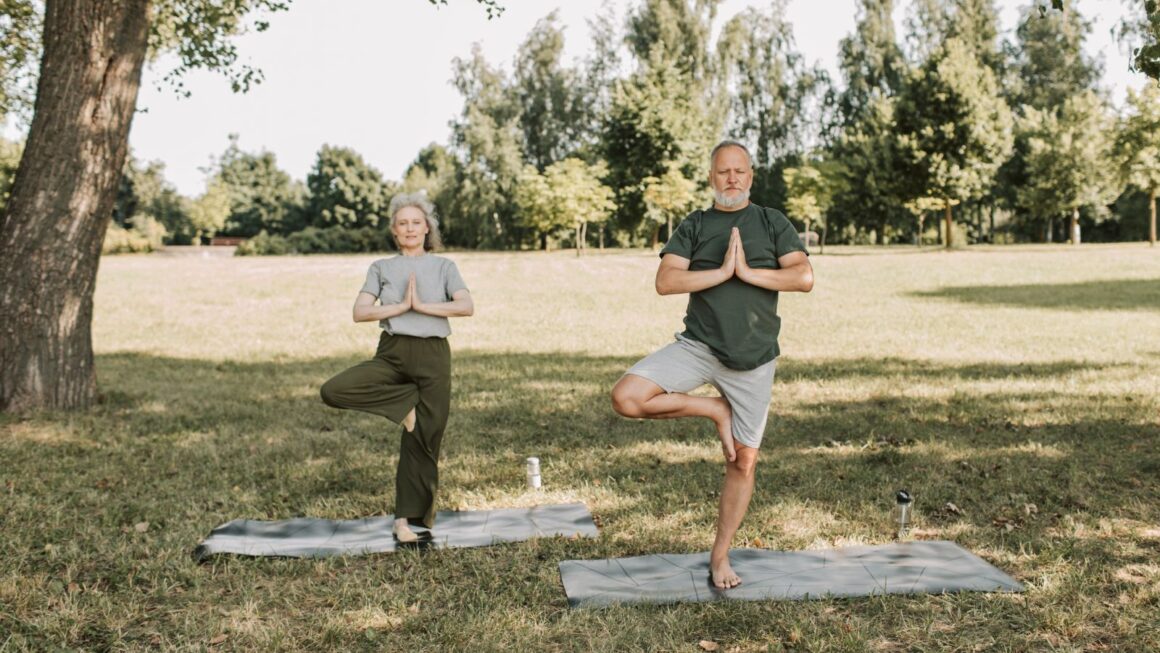
Regular movement doesn’t have to mean hours at the gym. A short morning walk or a few minutes of stretching after sitting for a long time can keep the body agile and the mind alert. These small moments, when done daily, support circulation, joint health, and mood stability.
People who find ways to move naturally throughout their day, taking stairs, gardening, or walking during calls, tend to maintain better physical function over time. It’s not always about intensity, but rather the rhythm of moving regularly. Sticking to a routine doesn’t require perfect discipline. It’s about finding activities that feel sustainable and enjoyable, then making them a consistent part of daily life.
Rest and Recovery
Quality sleep acts as a reset for the body and mind. It strengthens the immune system, supports memory, and allows muscles and tissues to repair. Even a slight improvement in sleep routine, like dimming lights earlier or setting a consistent bedtime, can lead to noticeable benefits in mood and focus. Those who prioritize downtime, whether through naps, quiet reading, or simply stepping away from screens, often find they’re more productive and less reactive in daily life.
Reducing Stress Through Intentional Practices
Clean Nutra explains that when stress becomes a constant background hum, it quietly wears down both mental clarity and physical resilience. Taking just a few minutes each day to slow the breath, step outside, or limit mental clutter can help reset the nervous system. The body responds well to predictability, and short, calming routines can reduce cortisol levels and restore balance.
People who implement calming moments into their day like sipping tea without distraction or journaling before bed, often notice they sleep better and react more calmly under pressure. These practices don’t need to be elaborate; they just need to be consistent. Even moments of silence between tasks can create space for a mental reset.