
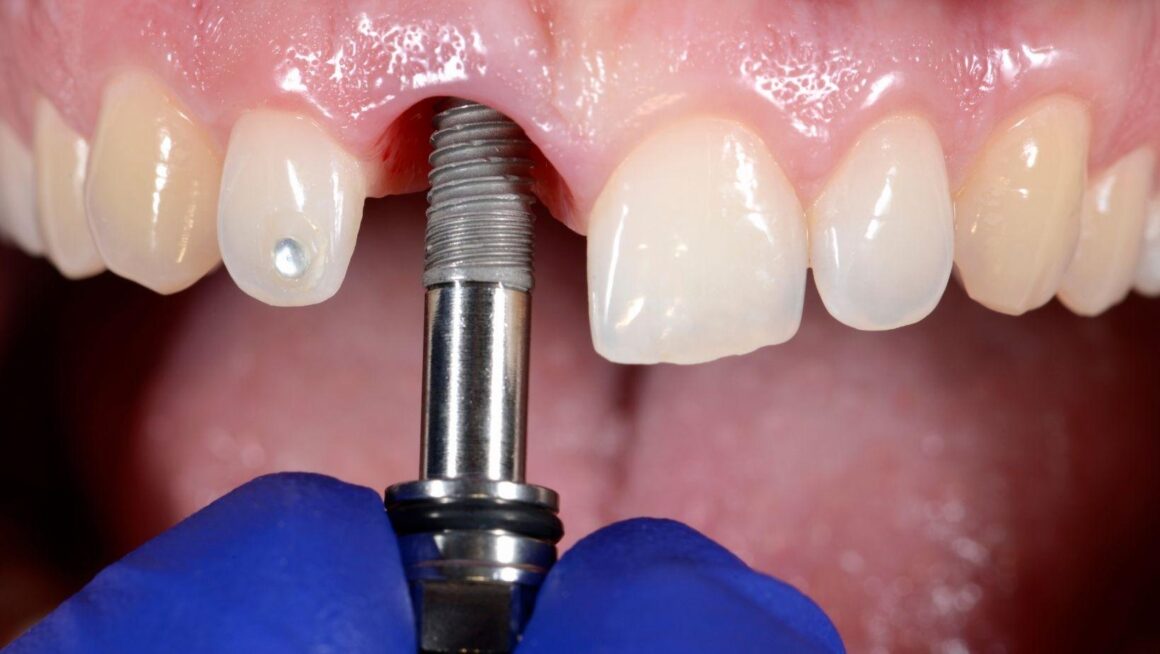
Replacing one missing tooth differs significantly from restoring several. A single implant usually supports one crown, while multiple missing teeth may call for several implants or an implant-supported bridge. If you need a single tooth implant in Miami, your dentist will walk you through whether this straightforward approach fits your situation.
Your dentist must assess bone volume, gum health, bite, and the condition of nearby teeth before selecting an approach. You will also need to consider surgery, healing time, cost, daily maintenance, and how the final restoration will function and look.
The sections ahead explain how clinical findings shape implant placement. They also describe how restorative designs differ, what your treatment timeline may involve, and which factors influence long-term outcomes.
Core Clinical Assessment
Your implant plan depends on available bone, stable gum tissues, and the forces created by your bite. These findings help determine implant number, position, diameter, timing, need for grafting, and the type of final restoration.
Bone Volume And Density
Your clinician evaluates bone height, width, and density around the missing tooth or teeth. A clinical examination and three-dimensional imaging, such as CBCT when appropriate, can reveal the distance to structures including the sinus, nasal cavity, or mandibular nerve.
The planned crown or bridge position should guide implant placement rather than available bone alone. A single implant may require localized grafting if the ridge has narrowed after tooth loss.
Several adjacent implants create different planning demands. The team must preserve adequate bone between implants and maintain space from neighboring roots and anatomical structures.
Lower-density bone may require a longer healing period, modified drilling, or delayed loading. Smoking, uncontrolled diabetes, previous infection, and poor healing capacity can also affect bone stability.
Gum Health And Periodontal Stability
Your gums should be free from active periodontal infection before implant placement. The assessment includes gum bleeding, pocket depths, recession, tissue thickness, plaque control, and the condition of nearby teeth.
Untreated periodontal disease can increase inflammation around implants and compromise long-term maintenance. A single-tooth implant requires careful shaping of the soft tissue around the crown, especially in the visible front region.
When several teeth are missing, the clinician must manage the tissue contour across a wider area and may need grafting to improve thickness or appearance. You also need a practical hygiene plan.
Crowded implant positions, connected crowns, and limited access between restorations can make plaque removal more difficult.
Occlusion And Bite Forces
Your bite determines how much force reaches the implant and restoration. The clinician checks contacts in the normal bite, during chewing movements, and during jaw excursions.
They also assess bruxism, clenching, opposing teeth, tooth wear, and the stability of neighboring teeth. A single implant replaces one tooth but does not have the shock-absorbing periodontal ligament found around a natural tooth.
Several implants supporting a bridge distribute load across the restoration, yet they also require accurate alignment and passive fit. Excessive force on one implant can affect the surrounding bone, screw, crown, or bridge.
If you grind or clench, your plan may include a night guard, bite adjustment, stronger restorative materials, or a staged approach to loading.
Restorative Design Considerations
Your restoration must fit the available space, support normal chewing, and maintain healthy gum contours. Single-tooth treatment centers on precise crown positioning, while several missing teeth require decisions about implant number, bridge design, hygiene access, and load distribution.
Single-Tooth Crown Positioning
Your planned crown should determine the implant’s position, rather than allowing available bone alone to dictate placement. Your dentist evaluates the adjacent teeth, opposing bite, contact points, crown width, and the amount of space between the roots before surgery.
Digital scans and three-dimensional imaging can help coordinate the proposed crown with the implant trajectory. The implant must support the crown without creating excessive cantilever forces or an unnatural emergence profile.
Your dentist also considers soft-tissue thickness and gum symmetry, especially for a front tooth or a high smile line. A custom abutment or carefully shaped provisional crown may help guide the gum contour during healing.
You may receive a screw-retained or cement-retained crown. Screw retention can simplify retrieval and avoid cement remaining below the gum, while cement retention may offer flexibility when the implant angle requires it.
Multi-Tooth Bridge Or Individual Implant Choices
When several adjacent teeth are missing, you may receive one implant per tooth or a bridge supported by fewer implants. An implant-supported bridge can reduce surgery and cost, but it creates a connected prosthesis that requires careful cleaning beneath the replacement teeth.
Individual implants provide separate crowns, which can simplify repair and hygiene, although they may require more bone, space, treatment time, and expense. Your dentist assesses bone volume, implant spacing, bite forces, and the length of the missing-tooth area.
A bridge design must distribute chewing forces across the implants without placing excessive stress on an angled or unsupported extension. Your oral hygiene ability and history of gum disease also affect the choice.
Aesthetic And Functional Goals
Your treatment plan should account for both appearance and function. In visible areas, your dentist evaluates tooth color, shape, midline position, gum height, papillae, lip movement, and the thickness of the tissue covering the implant.
A temporary restoration can test the proposed tooth position and help shape the surrounding gum before the final crown is made. For back teeth, chewing efficiency, bite contacts, and protection from excessive loading become priorities.
You may need a night guard if you grind or clench your teeth. The final design should also leave enough space for brushing, flossing tools, or interdental brushes, because accessible contours support long-term maintenance.
Surgical Approach And Treatment Timeline
Your treatment plan depends on the number and location of missing teeth, available bone, gum health, bite forces, and whether extraction or grafting is necessary. A single implant usually allows more targeted surgery, while several implants require coordinated positioning, spacing, and prosthetic planning.
Implant Placement Strategy
For one missing tooth, your clinician plans the implant around the intended crown. They evaluate the neighboring roots, available bone, gum contours, and the amount of space between adjacent teeth.
Three-dimensional imaging may guide placement, particularly in the front of the mouth or where bone width is limited. Several implants require a broader plan.
Your dentist must coordinate implant positions with the planned bridge, partial denture, or full-arch restoration. The implants need appropriate spacing and alignment so they can share chewing forces and support a stable prosthesis.
Your clinician may place all implants during one procedure or divide treatment into stages based on bone quality, infection, surgical complexity, and your medical needs. If you need an extraction, bone graft, or sinus lift, that procedure may occur before or during implant placement.
These steps can extend treatment by several months.
Healing And Osseointegration
After placement, the implant usually needs time to bond with your jawbone through osseointegration. This commonly takes about three to six months, although healing time varies with bone quality, implant location, grafting, smoking, health conditions, and surgical complexity.
A single implant may heal independently, allowing your dentist to restore it once stability and gum health meet the required criteria. With several implants, your clinician monitors each site and may delay restoration if one implant heals more slowly.
You will attend follow-up visits so the team can check tissue healing, implant stability, and your bite. Your dentist may place the final crown or bridge after integration is confirmed.
The restorative phase then includes impressions or digital scans, shade selection, bite checks, and one or more fitting appointments.
Temporary Tooth Replacement
You may receive a temporary crown, removable appliance, or temporary bridge while the implant heals. The choice depends on implant stability, appearance, bite pressure, and whether the temporary tooth can remain free from heavy chewing forces.
A front single-tooth implant often receives a carefully shaped temporary restoration to preserve appearance and guide the gum contour. Your dentist may instruct you to avoid biting directly on it while the implant integrates.
When several teeth are missing, you may use a removable partial denture or a temporary fixed bridge. The temporary design must avoid excessive pressure on healing implants and should allow cleaning around the surgical sites.
Your clinician will provide specific hygiene and diet instructions, especially during the first days after surgery.
Cost, Maintenance, And Long-Term Outcomes
Your total cost depends on the number of implants, the type of replacement teeth, and whether you need bone grafting or gum treatment. Daily cleaning and scheduled professional reviews help protect the implants, surrounding teeth, and supporting tissues.
Upfront Treatment Costs
Replacing one tooth usually involves one implant, an abutment, and an individual crown. Replacing several adjacent teeth may require multiple implants with separate crowns or an implant-supported bridge.
A bridge can reduce the number of implants, but your dentist must assess the spacing, bite forces, bone volume, and condition of nearby teeth. Full-arch treatment uses a different plan, such as several implants supporting a fixed prosthesis.
It may cost less than placing one implant for every missing tooth, but the prosthesis and maintenance needs differ. Your estimate may also include:
Daily Cleaning Requirements
You should brush twice daily with a soft-bristled toothbrush and fluoride toothpaste. Clean beneath and around implant-supported crowns or bridges with floss designed for implants, interdental brushes, or a water flosser recommended by your dental team.
A single implant often allows straightforward cleaning between individual teeth. Multiple implants, joined crowns, and full-arch prostheses create additional areas beneath connectors and along the gumline where plaque can collect.
Avoid forcing floss against the gum tissue. Your dentist or hygienist can show you the correct technique and select tools based on the restoration’s shape.
Smoking and uncontrolled diabetes can increase the risk of implant complications, so discuss risk reduction with your clinician.
Monitoring And Future Repairs
Your dentist should examine your implants, gums, bite, and restorations at regular intervals. These visits may include dental X-rays when symptoms, clinical findings, or the implant’s position justify imaging.
Monitoring helps identify inflammation, loose components, wear, or changes in bone support.
Crowns and bridges can chip, loosen, or wear even when the implant remains stable. Night grinding, hard foods, and an uneven bite may increase stress on the restoration.
A custom night guard may help protect it when clinically appropriate.
A single damaged crown may be easier to repair without disturbing other teeth. With multiple implants or a full-arch prosthesis, repairs can involve several connected components and may require removal of the prosthesis.
Ask whether replacement parts remain available and what long-term maintenance fees apply.