

Ever wondered why your medicine often leaves a bitter taste in your mouth? It’s a question that’s plagued most of us at some point. This article aims to delve into the science behind the unpleasant taste of many medicines.
It’s not just a case of bad flavoring! There’s a complex interplay of factors at work. From the active ingredients to the nature of disease, understanding why medicine tastes bad can be quite enlightening.
Why Does Medicine Taste Bad
Medicine taste, often characterized by its bitterness, plays an intrinsic role in the therapeutic process. Moving apart from the abhorrence it generally receives, the flavor of medicine has critical implications that are undiscovered, yet worth acknowledging.
Encouraging Proper Use
 A direct implication of the bitter taste in medicines ensures appropriate use. Curtailing any temptation to overconsume, it’s specially designed for youngsters. For instance, kids, with their attraction towards sweet goodies, might mistake medicine for candy if it possesses a similar taste. Bitterness, visible from their grimaces after swallowing medicine, assists in distinguishing medicines from candies, ensuring they won’t accidentally ingest harmful amounts. So, it’s this aversive property that encourages proper use, underlining the fact that medicines are not consumables to be taken lightly or frequently.
Safety Measures
 Moreover, the bitter taste intertwines itself with safety precautions. A high number of medicines contain potent active ingredients that can induce severe side effects if consumed beyond the prescribed dosage. A medicinal characteristic, the bitter taste, stands as a barrier restricting overuse, reminding patients about their potential risk when mistakenly tempted to consume in large amounts. For example, Paracetamol, a common pain reliever and fever reducer, becomes toxic if swallowed excessively. Here, the bitter taste stands as a deterrent, limiting its overuse. In essence, the bitterness is entwined well within the realm of safety measures in medicines.
Factors Influencing the Taste of Medicine
Medicine invariably elicits a bitter taste, which can discourage some from strictly adhering to their prescribed regimen. Two main factors contribute to the characteristic taste of medicines: Active Pharmaceutical Ingredients (APIs) and excipients.
Active Pharmaceutical Ingredients
APIs represent the primary component in drugs. They hold the responsibility for the intended effect, but notoriously impart an undesirable bitter taste. The concentration and structure of APIs in medicines greatly influences the overall taste. For instance, certain antibiotics contain clavulanic acid and amoxicillin, both known to elicit a potent, unpleasant flavor.
Understanding the role of APIs clarifies why even similar medications vary in taste. The diversity of these active agents—each bearing a unique chemical structure and concentration—accounts for the wide range of flavors among different medicines.
Excipients and Their Role
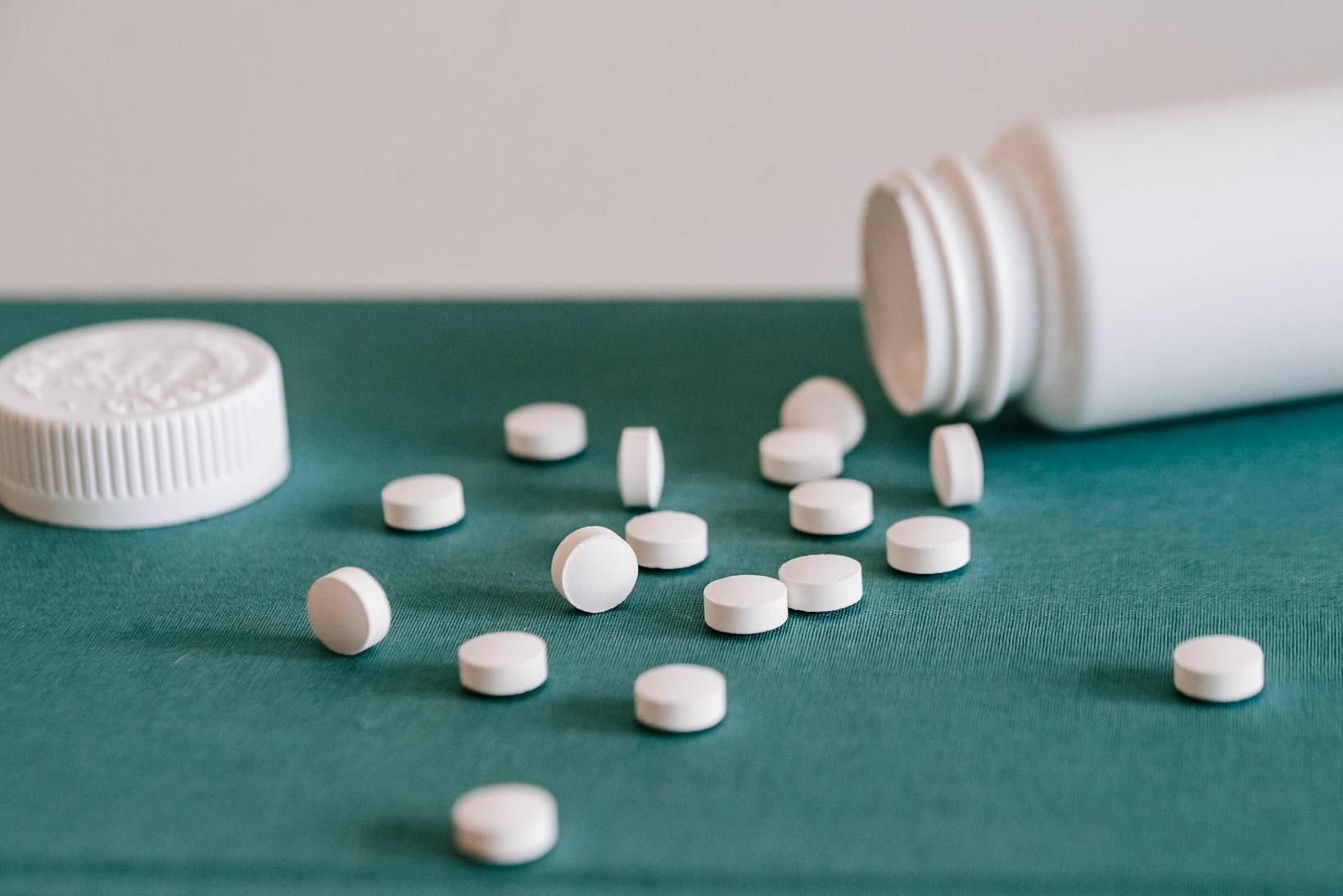 Not all the taste in medicine depends on APIs alone; excipients take on a prominent role as well. Excipients are non-medicinal substances that facilitate drug administration, such as binders, disintegrants, glidants, and lubricants. They might also serve to sweeten or mask the bitterness of drugs, helping make medicine more palate-friendly.
However, excipients aren’t always successful in completely hiding the taste of the API. The bitter notes still manage to peek through, giving medicines their characteristic taste. Despite these efforts, it’s necessary to remember that taste isn’t the main objective of medicine; rather, it’s the effectiveness, safety, and stability of the medication that counts the most.
Conclusion
Medicine’s bitter taste isn’t just a minor inconvenience—it’s a crucial safety feature. It discourages overconsumption and ensures the drug’s effectiveness. The primary culprits for this bitterness are the APIs, which are essential for the drug’s therapeutic effect. They’re often bitter due to their concentration and structure. Excipients try to mask this bitterness, but they can’t always fully succeed. Despite the taste, it’s vital to remember what truly matters in medicine: its effectiveness, safety, and stability.