
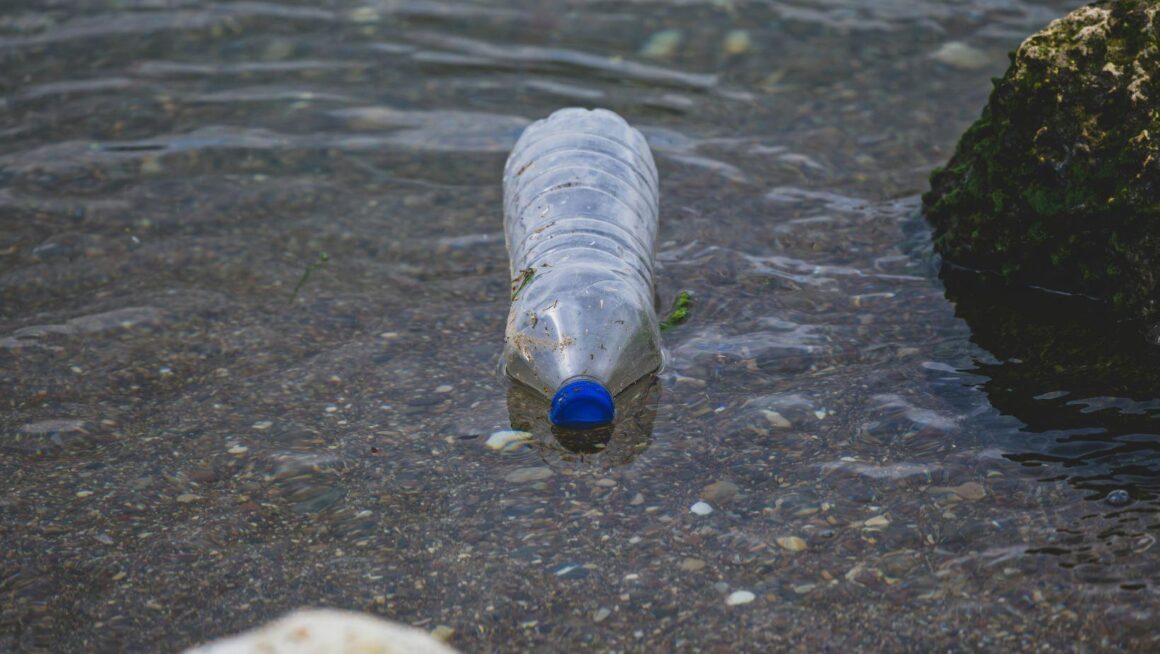
Plastics have revolutionized modern life, yet their widespread use has created new challenges, especially in marine environments. Every year, tens of millions of tons of plastic enter the oceans, where they persist for decades or even centuries. These materials break down slowly, fragmenting into microplastics that are difficult to detect and nearly impossible to remove.
As David Hastings, a Professor of Marine Science, notes, their presence impacts everything from plankton to large marine mammals, and has far-reaching consequences for communities that depend on the ocean for food and economic activity.
The Rise of Plastics in Oceans
Plastic production has grown rapidly over the past several decades, making these materials an essential part of daily life worldwide. As consumption rises, more plastic ends up in rivers, storm drains, and ultimately the ocean, often because of ineffective waste management or littering.
Single-use items like bottles, bags, and packaging are among the most common plastics found in marine habitats. Discarded fishing gear and tiny plastic fragments also contribute to the growing problem, highlighting just how easily plastics can move from land to sea.
Effects on Marine Life
Large pieces of plastic can pose real dangers to marine animals. Sea turtles sometimes mistake floating bags for jellyfish, which can lead to blockages or injuries after ingestion. Birds and fish may become entangled in fishing lines or nets, making it difficult for them to swim or feed.
Microplastics, which are tiny fragments resulting from the breakdown of larger plastics, can be swallowed by plankton and small fish. These particles then travel up the food chain, reaching larger predators and even humans through seafood consumption. Over time, the accumulation of plastics disrupts natural behaviors and habitats, putting marine animals at risk.
Environmental and Economic Consequences
Plastic pollution has far-reaching effects beyond harming certain animals. Coral reefs, vital to ocean biodiversity, may become smothered by plastic debris, reducing their growth and resilience. This can lead to long-term changes in reef ecosystems, affecting the species that rely on them.
Communities that rely on fishing and tourism can experience significant financial losses due to polluted beaches and declining fish stocks. Local governments often spend substantial resources on cleanup efforts, diverting funds from other community needs. The long-term persistence of plastic in the environment means these economic burdens can continue for years, ultimately affecting future generations who depend on these resources for their livelihoods.
Global and Local Responses
Many countries have begun addressing plastic pollution by introducing bans on single-use plastics and encouraging alternatives. International agreements, such as the push for a global plastics treaty, aim to coordinate efforts and set clear targets for reduction. Local organizations often lead beach cleanups, while scientists and startups develop new technologies to capture plastics before they reach the sea.
Community action plays a key role as well. Grassroots campaigns raise awareness and push for policy changes, demonstrating how collective efforts can lead to measurable results in reducing marine litter. In many regions, local initiatives serve as models for broader adoption and inspire additional strategies for tackling plastic waste.
Sustainable Practices and Solutions
Biodegradable materials and enhanced recycling processes are gaining traction as industries seek solutions with less environmental impact. Some companies are exploring plant-based packaging or reusable alternatives to close the loop on plastic use.
Consumers are making changes too, such as opting for refillable containers or choosing products with less packaging. In cities and small towns alike, individuals are organizing plastic-free challenges or supporting businesses with sustainable practices. These practical shifts, when adopted widely, can lead to a noticeable decline in plastic waste entering the water.
Challenges remain in keeping plastics out of the ocean, from fragmented regulations to the sheer volume of waste already present. Continued collaboration between governments, businesses, and individuals is vital for progress. Raising awareness will shape the next steps, as new solutions emerge and more people see how their choices impact the world’s oceans. With focused effort, cleaner oceans are possible.