

Home urine drug test kits have become a popular choice for people who need quick answers about recent substance use. Parents, employers, and individuals in recovery often turn to these tests for fast results without the need to visit a clinic or laboratory. However, the question of accuracy remains at the forefront of decision-making.
Most high-quality home urine drug test kits can detect recent drug use with accuracy rates between 97% and 99% when used correctly and within the proper time frame. The tests work by detecting drug metabolites in urine samples above specific cutoff levels. Results typically appear within five minutes, which makes them convenient for immediate screening needs. However, several factors affect how well these tests perform, from the timing of the test to the quality of the product itself.
Understanding what influences accuracy helps users get the most value from these tests. Detection windows vary based on the substance, how often someone used it, and their individual metabolism. The test itself serves as a screening tool rather than a final answer. This article explores how home urine drug tests work, what can affect their results, and when laboratory confirmation becomes necessary.
Understanding Home Urine Drug Test Kit Accuracy
A home urine drug test kit can deliver accurate results between 97-99% with proper use, though several factors affect this reliability. The test’s ability to detect substances depends on timing, cutoff levels, and correct sample handling.
Key Factors Impacting Test Accuracy
The quality of the test itself plays a major role in accuracy. Tests that meet FDA clearance and CLIA waiver standards typically perform better than uncertified alternatives. Temperature strips help verify that the sample is fresh and unaltered.
User error accounts for many inaccurate results. Samples must be collected correctly and read within the specified time frame, usually between 3-5 minutes. Reading results too early or too late can lead to false readings.
Storage conditions matter significantly. Tests stored in hot or humid environments may degrade, which reduces their effectiveness. Expired tests also produce unreliable results and should never be used.
Cutoff levels determine what concentration of drug metabolites triggers a positive result. Standard cutoff levels follow federal guidelines, but some tests use different thresholds. Lower cutoffs detect smaller amounts but may increase false positives.
Common Drugs Detected by Home Urine Tests
Most home tests screen for marijuana (THC), which remains the most commonly tested substance. Tests can identify THC metabolites for up to 30 days in regular users, though occasional users may test positive for only 3-7 days.
Cocaine, opiates, and amphetamines appear on nearly all multi-panel tests. Cocaine typically leaves the system within 2-4 days, whilst opiates like morphine and codeine remain detectable for 2-3 days. Amphetamines and methamphetamines can show up for 2-4 days after use.
Benzodiazepines such as diazepam and alprazolam can be detected for 3-7 days in most users. Prescription opioids including oxycodone and hydrocodone require specific test panels, as standard opiate tests may not identify them.
Multi-panel tests range from 5-panel to 12-panel or more. A 5-panel test covers marijuana, cocaine, opiates, amphetamines, and PCP. Larger panels add substances like benzodiazepines, barbiturates, and methadone.
Detection Windows for Recent Drug Use
Detection windows vary based on the drug type and frequency of use. Single-use cannabis may only appear for 1-3 days, whereas chronic users face detection periods of several weeks. The body stores THC in fat cells, which extends its presence.
Stimulants like cocaine and methamphetamine clear faster than cannabis. These substances remain detectable for 2-4 days after last use in most individuals. However, chronic use can extend this window slightly.
Opioids typically stay in urine for 2-3 days. Methadone presents an exception, as it can remain detectable for up to 7 days. Some synthetic opioids require specialised testing to identify.
Individual metabolism affects detection times substantially. Body mass, hydration levels, and liver function all influence how quickly drugs leave the system. Athletes and individuals with faster metabolisms may clear substances more quickly than average.
Limitations, False Results, and Confirmation of Findings
Home urine drug test kits can produce inaccurate results due to several factors. Both false positives from cross-reactivity and false negatives from low drug concentrations affect test reliability, which is why laboratory confirmation remains necessary for important decisions.
False Positives and Cross-Reactivity
A false positive occurs if a test shows drug use even though the person did not take the substance. Cross-reactivity is one of the main causes of this problem. Some legal medications and common substances trigger positive results on screening tests.
Many over-the-counter medicines contain compounds similar to illicit drugs. Cold medicines with pseudoephedrine can produce false positives for amphetamines. Poppy seeds may cause positive results for opiates. Ibuprofen has been known to show as cannabis in some tests.
The screening test uses antibodies to detect drug families rather than specific substances. These antibodies sometimes bind to similar molecules that are not actually drugs. This happens because the test prioritises sensitivity over specificity to catch potential drug use.
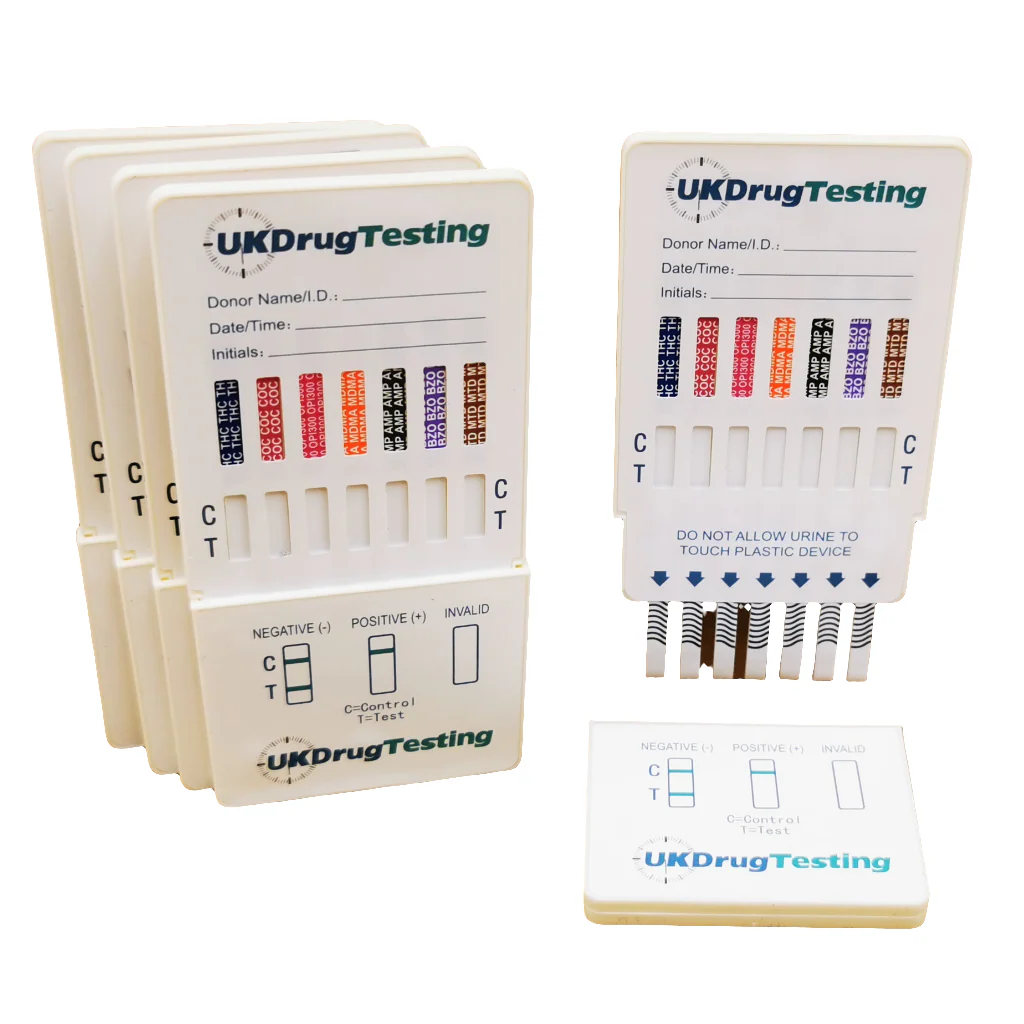
Common causes of false positives include:
- Prescription medications that share chemical structures with illicit drugs
- Herbal supplements and dietary products
- Certain foods or drinks
- Tests used after the expiration date
Cut-off levels also play a role in false positive results. Lower cutoff levels increase sensitivity but also raise the chance of cross-reactivity with non-drug substances.
False Negatives and Detection Challenges
A false negative happens if a test fails to detect actual drug use. This occurs more often than many people realise. Several factors contribute to false negative results on home test kits.
The timing of sample collection matters significantly. Each drug has a specific detection window based on how the body processes and eliminates it. Tests conducted outside this window will miss recent use. Someone might use a drug but test negative if too much time has passed.
Diluted urine samples cause false negatives. People who drink excessive amounts of water before the test may have drug concentrations below the cutoff levels. Temperature strips can help identify diluted samples, but not all home kits include them.
Cut-off levels themselves can create false negatives. These thresholds determine what concentration triggers a positive result. A person might have drugs in their system below the cutoff and still test negative. Different test brands use different cutoff levels, which affects consistency.
Some newer synthetic drugs or modified substances may not trigger the test. Home kits typically screen for common drug classes rather than every possible variant.
Confirmatory Laboratory Testing and Chain-of-Custody Procedures
Laboratory confirmation is essential to verify positive results from home drug tests. Screening tests alone cannot provide definitive proof of drug use. Confirmatory testing uses more precise methods like GC-MS or LC-MS to identify specific drugs and their metabolites.
These laboratory techniques separate and measure exact compounds in the sample. GC-MS and LC-MS can distinguish between similar substances that cause cross-reactivity in screening tests. For example, laboratory testing identifies benzoylecgonine specifically rather than just reacting to cocaine-like compounds.
A medical review officer reviews confirmed positive results in professional settings. This doctor evaluates the laboratory findings and considers legitimate medical explanations before reporting results. However, home drug testing does not include this professional review step.
Chain-of-custody procedures track samples from collection to analysis. This documentation proves the sample was not tampered with or switched. Professional lab drug tests use strict chain-of-custody protocols, but home tests cannot provide this level of security.
Key differences between home and laboratory testing:
- Home kits provide immediate results but lack specificity
- Laboratory confirmation takes longer but offers definitive identification
- Professional testing includes proper sample handling and documentation
- Lab results meet legal and pre-employment drug test standards
People who use home drug testing for a pre-employment self-check should understand the limitations. A negative home test does not guarantee a negative result on the official pre-employment drug test. Different cutoff levels and more sensitive laboratory methods may detect substances the home kit missed.
Conclusion
Home urine drug test kits can detect recent substance use with up to 97-99% accuracy if users follow the instructions correctly. These tests work best as initial screening tools rather than final proof of drug use. The accuracy depends on several factors, such as test quality, proper timing, and correct sample collection. For legal matters or formal decisions, laboratory confirmation remains necessary to verify any positive results.