
Losing a tooth can affect more than your smile. You might find yourself chewing on one side of your mouth, avoiding certain foods or feeling self-conscious when speaking. Whether you’ve lost a tooth through injury, decay or gum disease, deciding how to replace it can feel overwhelming.
Fortunately, modern dentistry offers several ways to replace missing teeth. Dental implants, bridges and dentures can all restore appearance and function, but each option has different advantages, limitations and costs. What works well for one person might not be suitable for another.
The best choice depends on your oral health, the number of missing teeth and your long-term priorities. For example, someone considering dental implants Oakleigh may have different needs from someone looking for an affordable removable denture. Understanding the main options before your consultation can help you ask better questions and make an informed decision.
Dental Implants: A Fixed Replacement Option
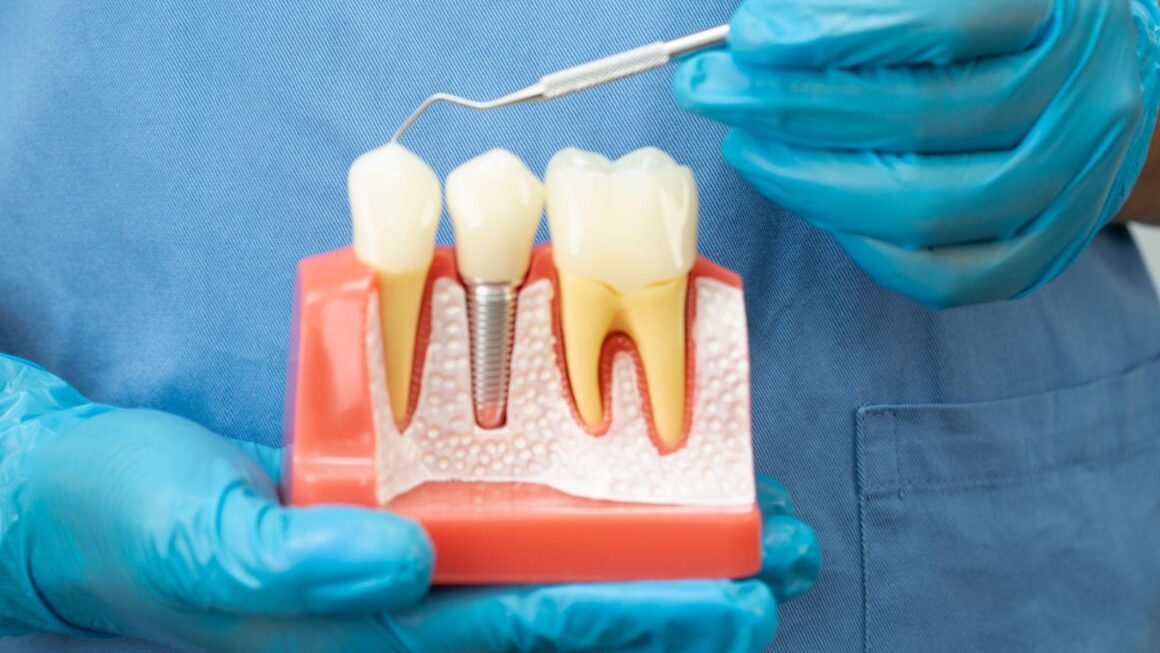
Dental implants are designed to replace missing tooth roots with small fixtures, usually made from titanium, that are placed into the jawbone.
Once the implant has integrated with the surrounding bone, it can support a crown, bridge or certain types of dentures.
One advantage is that implants generally don’t require neighbouring healthy teeth to be reshaped for support.
However, implant treatment involves surgery and requires sufficient bone and healthy surrounding tissues.
Some patients may need additional procedures, such as bone grafting, before treatment can proceed.
Implants also require ongoing cleaning and maintenance. Although they can last many years, complications and failures are possible.
Dental Bridges: Replacing Teeth Without Implant Surgery
A dental bridge replaces one or more missing teeth by using neighbouring teeth or implants for support.
Traditional bridges usually involve placing crowns on the teeth beside the gap, with an artificial tooth suspended between them.
This can provide a fixed replacement without requiring implant surgery.
However, preparing supporting teeth may involve removing some healthy tooth structure.
Bridges also require careful cleaning underneath the replacement tooth to help prevent plaque accumulation and gum problems.
Your dentist can assess whether the neighbouring teeth are strong enough to provide reliable support.
Dentures: A Removable and Flexible Solution
Dentures remain a practical option for many people, particularly when several teeth are missing.
Partial dentures replace selected teeth, while complete dentures replace an entire upper or lower set.
Modern dentures can be designed to provide a natural-looking appearance, although comfort and stability vary between patients.
They may require adjustments as the shape of the gums and underlying bone changes over time.
Some people also find that removable dentures take time to get used to, especially when eating or speaking.
Implant-supported dentures may offer greater stability for suitable patients.
Consider Your Oral Health Before Deciding
Not every tooth replacement option is appropriate for every mouth.
Your dentist will consider several factors before recommending treatment, including:
- The condition of your gums.
- The amount and quality of available jawbone.
- The health of neighbouring teeth.
- The number and position of missing teeth.
- Your general health and relevant medications.
- Your ability to maintain good oral hygiene.
Untreated gum disease or active decay may need attention before replacement treatment begins.
A thorough examination, supported by appropriate imaging where necessary, helps establish which options are realistic.
Compare Long-Term Costs, Not Just Initial Prices
Cost is an important consideration, but the cheapest initial treatment isn’t always the least expensive over time.
Dentures may have lower upfront costs than implants, for example, but can require relining, adjustments or replacement.
Bridges may eventually need repair or replacement, particularly if supporting teeth develop problems.
Implants generally involve higher initial expenses and may require additional procedures.
Ask for a written treatment plan explaining the expected costs, maintenance requirements and possible future expenses.
Think About Comfort and Everyday Function
A replacement tooth should do more than improve appearance.
Consider how each option might affect chewing, speaking and everyday comfort.
Fixed replacements can feel more convenient for some people, while others prefer avoiding surgery and choosing removable appliances.
Your lifestyle, personal preferences and willingness to maintain the restoration should all influence the decision.
Discuss your expectations openly rather than assuming one treatment will provide a perfect result.
Ask Questions Before Committing
Before beginning treatment, make sure you understand what’s involved.
Ask how many appointments you’ll need, whether any recovery time is expected and what complications might occur.
It’s also worth discussing how long the replacement is likely to last and what maintenance will be required.
If you’re considering a complex or expensive procedure, seeking a second professional opinion can provide additional reassurance.
Choose What Works for Your Situation
There’s no single tooth replacement option that’s best for everyone.
Implants, bridges and dentures each offer different benefits depending on your dental health, budget and personal priorities.
The most important step is having your mouth properly assessed and understanding the advantages and limitations of each treatment.
With a suitable plan and consistent oral care, replacing missing teeth can help restore your confidence, improve everyday comfort and support your long-term dental health.