
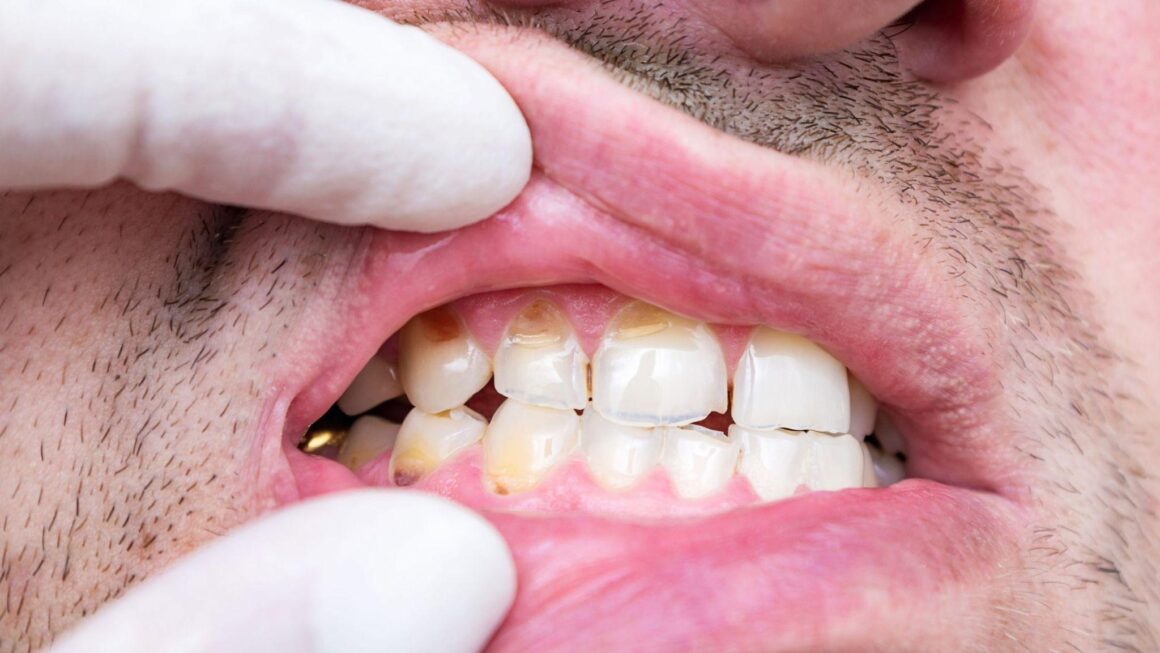
You brush your teeth every morning and night, avoid eating too many sweets and generally take good care of your smile. Yet lately, you’ve noticed that your teeth seem more sensitive, or perhaps their edges look slightly worn. The surprising part is that everyday habits you barely think about could be contributing to the problem.
Tooth enamel is the hard outer layer that protects your teeth from daily wear, temperature changes and damage. Although it’s the hardest substance in the human body, enamel isn’t indestructible. Repeated exposure to acids, excessive pressure and certain behaviours can gradually wear it away.
The difficulty is that enamel damage often develops slowly, making it easy to overlook until noticeable changes appear. Regular dental examinations, whether with your usual practitioner or a dentist Matraville, can help identify early warning signs and provide advice on protecting your teeth.
Sipping Acidic Drinks Throughout the Day
Your morning orange juice or afternoon soft drink might seem harmless, but frequent exposure to acidic beverages can gradually weaken enamel.
Soft drinks, citrus juices, sports drinks and some flavoured waters contain acids that contribute to dental erosion.
How often you drink them matters. Sipping an acidic beverage throughout the afternoon repeatedly exposes your teeth to acid.
Try drinking these beverages with meals rather than continuously throughout the day.
Rinsing your mouth with plain water afterwards can also help reduce lingering acidity.
Brushing Your Teeth Too Aggressively
Many people assume that brushing harder removes more plaque.
However, excessive pressure can contribute to tooth wear and gum irritation, particularly around the gumline.
Using a hard-bristled toothbrush or scrubbing from side to side with considerable force may make the problem worse.
Instead, choose a soft-bristled toothbrush and use gentle, controlled movements.
Brush twice daily for approximately two minutes with fluoride toothpaste.
If you struggle to judge how much pressure you’re applying, an electric toothbrush with a pressure sensor may be helpful.
Brushing Immediately After Eating Acidic Foods
Brushing straight after eating might seem like a sensible habit, but timing matters.
Acidic foods and drinks temporarily soften the tooth surface, making it more vulnerable to abrasion.
Brushing immediately afterwards may contribute to enamel wear.
Consider waiting approximately 30 to 60 minutes after consuming acidic foods before brushing.
In the meantime, rinse your mouth with water to help clear away acids and food particles.
Saliva naturally helps neutralise acidity and supports the remineralisation of early enamel damage.
Grinding or Clenching Your Teeth
Teeth grinding, also called bruxism, can gradually wear down tooth surfaces.
Some people grind their teeth while sleeping, meaning they may not realise it’s happening.
Others clench their jaws during periods of concentration or stress.
Possible warning signs include:
- Flattened or worn chewing surfaces.
- Chipped or cracked teeth.
- Jaw discomfort after waking.
- Increased tooth sensitivity.
- Frequent morning headaches.
These symptoms can have several causes, so professional assessment is important.
Depending on your circumstances, a dentist may recommend a protective night guard or other management strategies.
Using Your Teeth to Open Things
Your teeth are designed for eating, not opening packaging or holding objects.
Using them to tear plastic, remove bottle caps or grip hard items can place excessive pressure on enamel.
Even seemingly harmless habits, such as chewing pens or biting fingernails, may contribute to chips or wear.
Chewing ice is another habit worth avoiding because hard pieces can damage tooth surfaces.
Keep appropriate tools nearby rather than relying on your teeth to perform tasks they weren’t designed for.
Ignoring a Persistently Dry Mouth
Saliva plays an important role in protecting enamel.
It helps neutralise acids, wash away food particles and provide minerals that support tooth health.
When your mouth remains dry, these protective processes become less effective.
Dry mouth can result from certain medications, dehydration, medical conditions or mouth breathing.
Drinking water regularly and chewing sugar-free gum may help stimulate saliva production.
If dryness continues, speak with a healthcare professional to investigate possible causes.
Protecting Your Enamel Starts With Small Changes
Enamel that has physically worn away cannot grow back, making prevention particularly important.
Fortunately, protecting your teeth doesn’t require a complicated routine.
Limit frequent exposure to acidic drinks, brush gently, avoid chewing hard objects and pay attention to signs of grinding or dry mouth.
Fluoride toothpaste and regular dental care can also help protect remaining enamel and support the repair of early mineral loss.
By recognising potentially damaging habits and making practical adjustments, you can help keep your teeth stronger, healthier and more comfortable for years to come.