
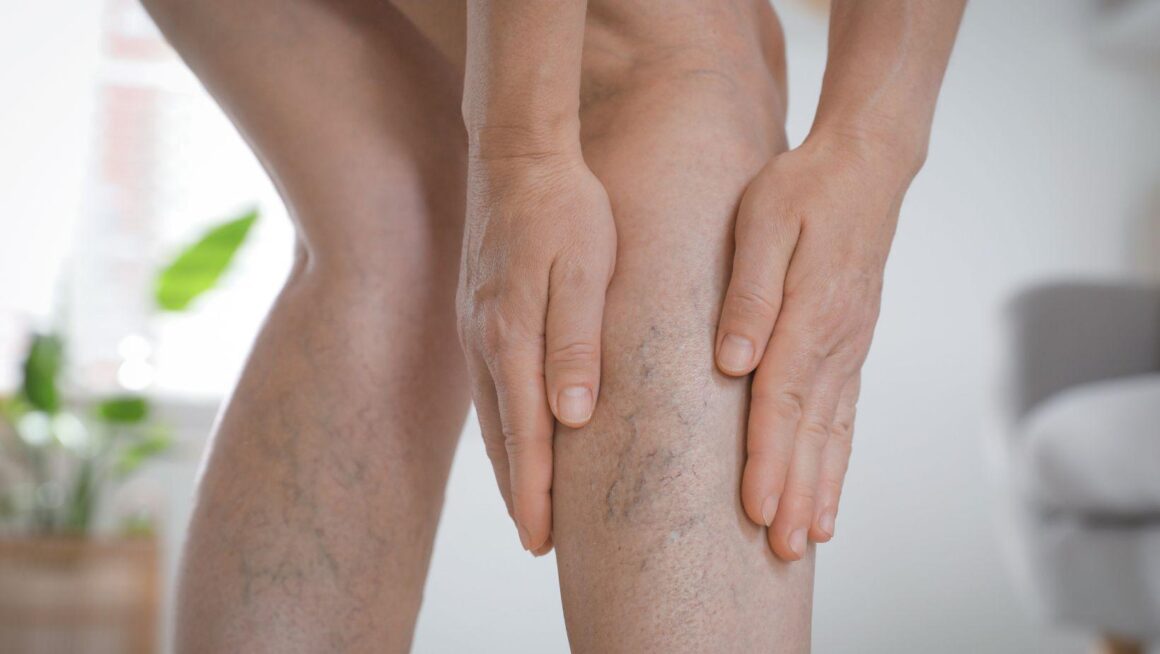
Varicose veins are a common condition that affects the veins close to the surface of the skin, particularly in the legs and feet. They often appear as enlarged, twisted lines that look blue or purple, although their appearance can vary. For some people, they are mainly a cosmetic concern. For others, they can cause aching, swelling, itching, heaviness, and discomfort that interferes with everyday activities.
Understanding why varicose veins develop is an important step toward managing them. Although lifestyle changes may help ease certain symptoms, persistent vein problems sometimes require medical evaluation and treatment. Modern vein care offers several options, including minimally invasive procedures designed to address abnormal blood flow without traditional open surgery.
People in the Katy area who are concerned about their vein health can explore and get personalized vein care in Katy through Texas Vein Experts. The clinic describes its services as including vein evaluations and minimally invasive treatment options, such as radiofrequency ablation and sclerotherapy. A consultation can help determine whether further testing is needed and which options may be appropriate.
What Are Varicose Veins?
Veins carry blood from the body’s tissues back toward the heart. In the legs, this process requires blood to travel upward against gravity. Small one-way valves inside the veins help maintain the correct direction of blood flow, while the surrounding leg muscles assist by contracting during movement.
When vein walls become weakened or the valves stop functioning properly, blood can flow backward and collect inside the affected veins. This process is known as venous reflux. As pressure builds, the veins may enlarge, become twisted, and appear more prominent beneath the skin.
Varicose veins are different from spider veins, which are smaller red, blue, or purple blood vessels visible near the skin’s surface. Although both can occur together, larger varicose veins may be associated with symptoms of chronic venous insufficiency, a condition in which the veins have difficulty returning blood efficiently to the heart.
Not everyone with varicose veins experiences discomfort. However, visible changes should not be the only factor considered when deciding whether an evaluation is worthwhile. Symptoms and the underlying condition can vary considerably from person to person.
What Causes Varicose Veins?
The primary mechanism behind varicose veins is increased pressure within the veins, often because the valves are not working effectively. Several factors can contribute to this problem, and many people develop varicose veins through a combination of influences rather than one single cause.
Age is an important factor because vein walls and valves can become less effective over time. Family history also matters. People whose close relatives have varicose veins may have a greater likelihood of developing them because inherited characteristics can influence vein structure and function.
Pregnancy can increase the risk as blood volume rises and hormonal changes affect the walls of blood vessels. The growing uterus can also place additional pressure on veins in the pelvis. Some pregnancy-related varicose veins improve after delivery, although others may persist.
Excess body weight can increase pressure on the veins, while prolonged sitting or standing may make it harder for blood to return efficiently from the legs. A sedentary lifestyle can also reduce the regular muscle contractions that help support circulation.
These factors do not mean that every person who stands for long periods or has a family history will develop varicose veins. They simply help explain why the condition is more likely to occur in some individuals. A healthcare professional can assess symptoms and personal risk factors to determine whether further investigation is appropriate.
Recognising the Symptoms of Varicose Veins
The most recognisable sign of varicose veins is a visible, raised vein that appears twisted or rope-like beneath the skin. The vein may look blue, purple, or similar in colour to the surrounding skin, depending on its depth and the individual’s skin tone.
Physical appearance, however, is only part of the picture. Some people experience aching, throbbing, burning, or a heavy feeling in their legs, especially after standing or sitting for extended periods. Swelling around the ankles and lower legs may also occur, while itching or irritation can develop around affected veins.
Night-time leg cramps and a feeling of restlessness may accompany vein-related discomfort. In more advanced cases, the skin near the ankles can become discoloured, dry, inflamed, or thickened. Some people may develop open sores, known as venous ulcers, which can be slow to heal.
Symptoms may improve after resting or raising the legs, but temporary relief does not necessarily mean the underlying problem has resolved. Persistent pain, swelling, skin changes, or visible veins accompanied by discomfort should be discussed with a qualified healthcare professional.
Sudden swelling in one leg, particularly when accompanied by pain, warmth, or redness, needs urgent medical assessment because it can indicate a blood clot. Significant bleeding from a varicose vein also requires immediate medical attention.
How Are Varicose Veins Diagnosed?
A proper assessment helps determine whether visible veins are primarily a cosmetic concern or a sign of an underlying circulation problem. The evaluation generally begins with a discussion of symptoms, medical history, family history, daily activities, and any previous vein treatments.
A clinician may examine the legs while the patient is standing or sitting to assess visible veins, swelling, and skin changes. Depending on the findings, a duplex ultrasound may be recommended. This non-invasive imaging test uses sound waves to examine blood flow and identify areas where blood is moving backward through malfunctioning valves.
Ultrasound findings can help a specialist understand which veins are affected and whether treatment is likely to be beneficial. The results also help guide decisions about the most appropriate procedure.
Not every visible vein requires intervention. The recommended approach depends on symptoms, examination findings, the severity of venous disease, and the patient’s goals. A personalised assessment is therefore more useful than selecting a treatment based on appearance alone.
Modern Treatment Options for Varicose Veins
Treatment has advanced considerably, and many patients can be treated with minimally invasive techniques rather than traditional vein-stripping surgery. The appropriate method depends on the size and location of the affected veins, ultrasound findings, symptoms, and individual medical circumstances.
Radiofrequency Ablation
Radiofrequency ablation uses heat generated by radiofrequency energy to close an affected vein. A specialist inserts a thin catheter into the targeted vein, typically using ultrasound guidance. Once the catheter is positioned, controlled heat helps seal the vein so that blood can be redirected through healthier veins.
The procedure is generally performed using local anaesthesia, and many patients can return to routine activities relatively quickly. Temporary tenderness, bruising, or discomfort can occur, and recovery instructions vary depending on the treatment and individual circumstances.
Sclerotherapy
Sclerotherapy involves injecting a medical solution into an affected vein to irritate its inner lining and encourage it to close. The body gradually absorbs the treated vein, while blood is redirected through other functioning vessels.
Different forms of sclerotherapy may be used depending on the vein’s size and characteristics. It is often used for smaller varicose veins and spider veins, while foam-based techniques may be appropriate for selected larger veins. A specialist can determine whether this approach is suitable for a particular case.
Medical Adhesive Closure
Some vein treatments use a specialised medical adhesive to close an abnormal vein. The adhesive is delivered through a catheter, allowing the vein to seal without relying on heat. This approach may be appropriate for certain patients, although suitability depends on the affected vein, medical history, and the clinician’s assessment.
As with other procedures, patients should discuss potential benefits, risks, aftercare, and alternatives before deciding whether to proceed.
Compression and Conservative Management
Compression stockings apply graduated pressure to the legs, helping support blood flow and reduce symptoms such as swelling and discomfort. They may be recommended for symptom management or in particular circumstances when other treatments are unsuitable.
Walking regularly, changing position throughout the day, maintaining a healthy weight, and raising the legs when resting can also help manage symptoms. These measures may improve comfort, but they do not reliably eliminate established varicose veins or correct every underlying valve problem.
A treatment plan should be based on an individual’s needs rather than the assumption that one option is suitable for everyone.
Can Varicose Veins Be Prevented?
There is no guaranteed way to prevent varicose veins, particularly when age, pregnancy, or inherited factors contribute to their development. Nevertheless, certain habits can support circulation and help manage discomfort.
Regular movement encourages the calf muscles to assist blood flow back toward the heart. People who work at desks or spend long hours standing may benefit from taking movement breaks and changing position regularly. Walking is a practical option because it can be incorporated into everyday routines without specialised equipment.
Maintaining a healthy weight can reduce unnecessary pressure on the veins. When resting, raising the legs may help relieve swelling. People who experience ongoing symptoms should ask a healthcare professional whether compression stockings or other measures are appropriate for them.
These habits support general leg health, but they should not replace medical evaluation when symptoms persist or worsen.
When Should You Consider Professional Vein Care?
It may be time to seek professional advice when varicose veins cause persistent pain, swelling, heaviness, itching, or changes in the skin. Medical evaluation is also appropriate when symptoms interfere with walking, work, sleep, or other everyday activities.
Before choosing a treatment, patients should ask about the diagnosis, expected benefits, possible complications, recovery requirements, and whether insurance may cover the procedure. These discussions help ensure that decisions are based on individual medical needs rather than assumptions about which treatment is best.
Conclusion
Varicose veins develop when weakened vein walls or malfunctioning valves allow blood to collect in the veins, causing them to enlarge and become twisted. Although they can sometimes be a cosmetic concern, they may also cause pain, swelling, skin changes, and other symptoms that deserve attention.
Modern treatment options, including radiofrequency ablation, sclerotherapy, and medical adhesive closure, offer alternatives to traditional surgery for appropriately selected patients. Lifestyle measures and compression can also help manage symptoms, although they may not correct the underlying cause.
Recognising the signs early and seeking a professional assessment when needed can help people understand their options and protect their long-term vein health. With an appropriate evaluation and individualised treatment plan, many people can find a practical way to manage varicose vein symptoms and remain active in their daily lives.