
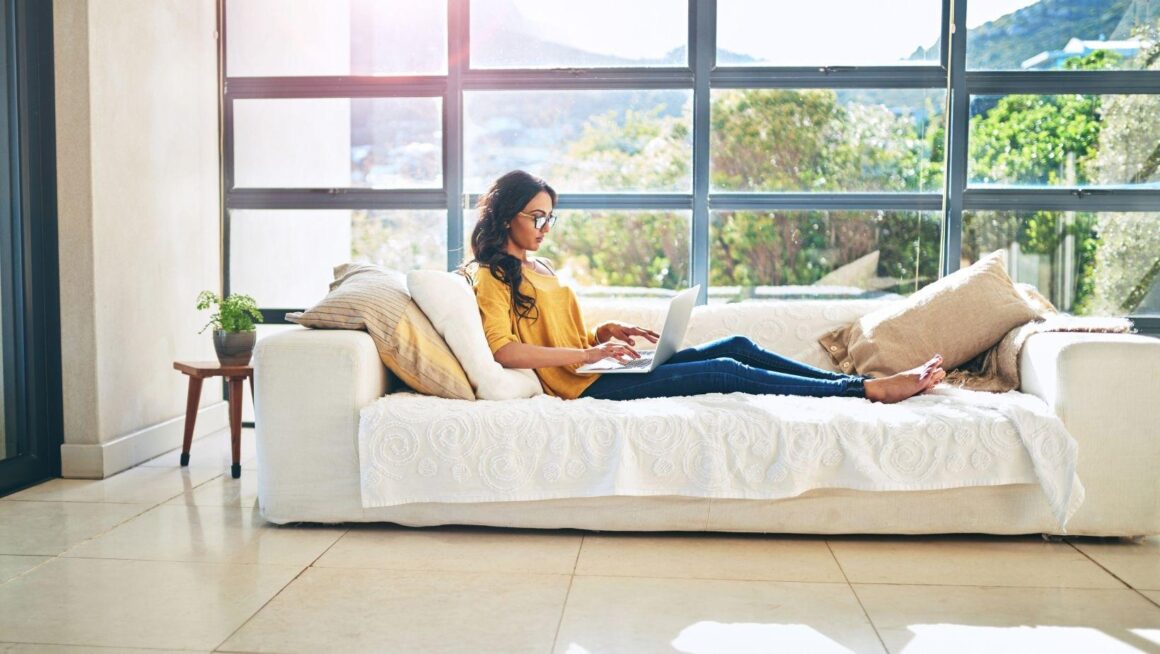
Your home is supposed to be somewhere you can switch off, yet it’s surprisingly easy for it to become another source of stimulation. There are dishes waiting in the kitchen, notifications buzzing on your phone, laundry on the sofa and a television playing somewhere in the background.
Creating a calmer home doesn’t necessarily require expensive renovations or turning every room into a minimalist retreat. Often, small changes to your surroundings and routines make the biggest difference. Some people also incorporate personal wellbeing practices into their downtime, whether that’s meditation, yoga, breathing exercises or complementary practices such as reiki healing Perth residents may explore as part of their own relaxation routine.
The goal isn’t to create a perfectly peaceful home where nobody ever makes a mess. It’s to make it easier to shift out of “doing mode” when you actually want to rest.
Start With the Room You Use to Relax
Trying to transform your entire house in one weekend can quickly become the opposite of relaxing.
Instead, choose one space.
It might be your bedroom, living room or simply the chair where you like to read. Look at what makes that area feel comfortable and what creates unnecessary distraction.
You don’t need to remove everything. Clear the surfaces that bother you most, put frequently used items somewhere convenient and find a home for objects that seem to permanently float around the room.
A calmer space should still look like someone lives there.
Think About Your Lighting
Lighting can completely change how a room feels.
Bright overhead lighting is useful when you’re cooking, cleaning or trying to find something you’ve lost. It may feel less inviting when you’re trying to settle down at the end of the evening.
Consider having different lighting options for different activities.
Table lamps, floor lamps and dimmable lighting can give you more control over the atmosphere without requiring major changes.
During the day, make use of natural light where possible. Open curtains and blinds rather than automatically switching on every light in the house.
Reduce Unnecessary Noise
We often become so accustomed to background noise that we stop noticing it.
The television stays on even when nobody is watching. Phone notifications arrive every few minutes. Appliances hum away. Someone has a video playing in another room.
You don’t need complete silence, but intentionally reducing unnecessary noise can make a room feel noticeably different.
Try turning the television off when you’re not actively watching it. Put your phone on silent for a while. If you prefer having some sound, choose something deliberately rather than letting random background noise fill the space.
Create a Small End-of-Day Ritual
Your surroundings help, but relaxation is also about what you do in them.
A simple routine can signal that the busy part of the day is finished.
That might involve:
It doesn’t need to be elaborate.
In fact, a routine that’s easy to repeat is often more useful than an ambitious evening ritual requiring candles, special equipment and 45 uninterrupted minutes.
Get Tomorrow Out of Your Head
Sometimes the house isn’t the problem at all. Your brain is still at work.
You’re remembering an email you need to send, groceries you forgot to buy or something that needs to happen first thing tomorrow.
Instead of repeatedly reminding yourself not to forget, write it down.
Keep a notebook somewhere convenient or use a simple digital list. Spend a few minutes recording unfinished tasks before you settle down.
You’re not completing the work. You’re simply giving yourself somewhere to store it other than your memory.
Make Comfort Easy
Pay attention to the small physical details that make you comfortable.
Maybe the sofa needs an extra cushion. Perhaps the room is always slightly too warm. You might want a blanket within reach or somewhere convenient to put a drink.
These changes sound almost trivial, but that’s the point.
You shouldn’t have to prepare the room every time you want to relax. Set it up so the things you regularly use are already available.
Give Your Phone Somewhere to Go
Few things compete for attention as effectively as a smartphone sitting within arm’s reach.
You pick it up to check one message and somehow end up scrolling 20 minutes later.
Try giving your phone a designated resting place during downtime. Put it on a table across the room, leave it charging outside the bedroom or simply keep it out of reach while you’re reading or watching something.
The aim isn’t to declare technology bad. It’s to make checking your phone a deliberate decision rather than something your hand does automatically.
Don’t Turn Relaxation Into Another Job
There’s a strange trap in trying to create the perfect relaxing home: you can become stressed about doing relaxation correctly.
You don’t need matching storage containers, expensive scented products or a flawlessly organised living room.
Start with what actually bothers you.
If visual clutter makes it difficult to settle down, clear some of it. If noise is the problem, create quieter periods. If you’re constantly thinking about tomorrow, write your tasks down. If your phone keeps stealing your attention, move it away.
A relaxing home isn’t defined by how it looks in photographs. It’s a place where your surroundings support what you need at the end of a busy day.
Make a few practical changes, keep the routines that genuinely help and ignore the ones that feel like more work. The best space for unwinding is ultimately one that makes it easier for you to stop doing things for a while.