
Healing after a dental bone graft usually takes about 3 to 9 months before implant placement, although smaller grafts may heal sooner and larger or more complex grafts may require additional time. Your dentist will base the timing on how well your jawbone has integrated the graft, not on a fixed schedule. Patients who need bone grafting for dental implants in Greenville, SC should expect their dentist to monitor this healing process closely before moving forward with implant placement.
Several factors can affect your timeline, including the graft's size and location, your oral and overall health, smoking, and the type of graft used. Your dentist evaluates healing with examinations and imaging as you prepare for implant surgery.
Bone Graft Healing Timeline
Your gums may heal within one to two weeks. The grafted bone needs several months to integrate and mature.
Implant placement commonly occurs after three to six months. Larger grafts or slower healing can extend the timeline to nine months or longer.
Typical Healing Periods by Graft Type
The graft material and procedure determine how quickly your jaw becomes strong enough for an implant. A socket preservation graft placed after tooth extraction often heals for about three to four months.
A small ridge augmentation may require four to six months. A larger graft can take six to nine months.
A sinus lift may need approximately four to nine months, depending on the amount of bone added and whether the implant was placed during the same procedure. In selected cases, your dentist can place the implant at the same time as the graft.
This option requires adequate initial stability and favorable bone conditions. Your dentist confirms readiness with an examination and dental imaging.
The graft must integrate sufficiently to provide stable support. It is not enough for the gum surface to appear healed.
How Graft Location Affects Recovery
Grafts in the front of the upper jaw may heal differently from those in the back because bone density, blood supply, and chewing forces vary by location. The back of the upper jaw often has less dense bone and may require additional healing time, particularly after a sinus lift.
The lower jaw commonly contains denser bone, but the graft still needs time to integrate before it can reliably support an implant. Recovery may also take longer if the graft covers a large area, replaces significant bone loss, or follows an infection or difficult extraction.
Smoking, uncontrolled diabetes, poor oral hygiene, and pressure on the surgical site can delay healing. Follow your clinician’s instructions and attend the planned imaging appointment before scheduling implant placement.
Factors That Influence Readiness for Implant Placement
Your implant timing depends on whether the graft has formed enough stable bone and whether your health supports predictable healing. Your dentist or oral surgeon typically confirms readiness through an examination and dental imaging rather than relying on elapsed time alone.
Bone Volume and Density
The graft must provide enough height, width, and density to hold the implant securely. A small ridge graft may mature within about 3–6 months, while a larger graft, sinus lift, or graft in an area with substantial bone loss may require 6–9 months or longer.
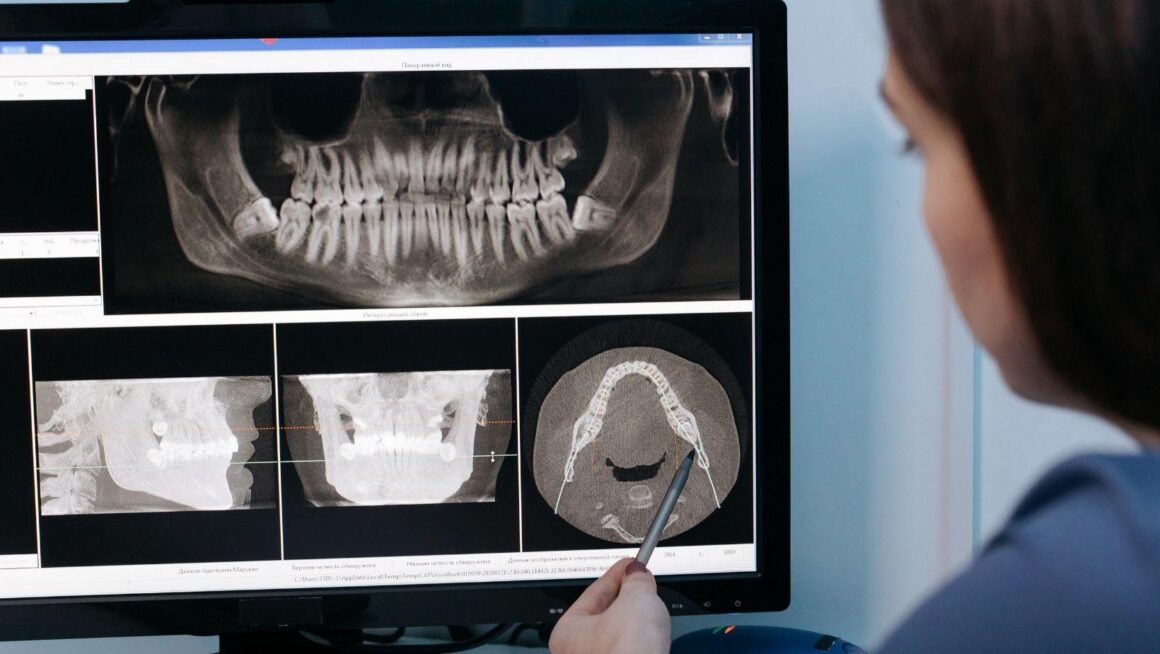
Your clinician may use X-rays or 3D cone-beam computed tomography to assess the graft. These images help determine whether the bone has integrated and whether the planned implant can be fully supported.
Nearby structures—such as the sinus or nerves—can affect placement. If the graft remains too soft, thin, or incomplete, placing the implant too soon can reduce stability and compromise healing.
Your provider may recommend additional healing time or, occasionally, further grafting.
Overall Health and Lifestyle Habits
Conditions that slow tissue repair can extend the waiting period. Uncontrolled diabetes, immune disorders, poor nutrition, and certain medications may affect bone formation or increase the risk of infection.
Tell your dental team about your complete medical history and all medications, including treatments for osteoporosis. Smoking and vaping can restrict blood flow and interfere with graft integration.
Avoiding tobacco during healing, following oral-hygiene instructions, and attending scheduled reviews support recovery. Your provider may also recommend controlling blood sugar, maintaining adequate protein intake, and treating gum disease before implant placement.
Report persistent pain, swelling, drainage, fever, wound opening, or a loose graft area promptly. These signs can indicate infection or another healing problem that needs assessment before implant treatment continues.
How Dentists Confirm Implant Readiness
Your dentist confirms healing through an examination, updated imaging, and an assessment of bone volume and density. These checks show whether the graft has integrated sufficiently to support an implant or whether you need more healing time or additional grafting.
Clinical Examination and Imaging
Your dentist first examines the grafted area for healthy gum tissue, tenderness, swelling, drainage, and signs of infection. The site should feel stable and comfortable.
Your gums should provide enough healthy tissue to close securely around the future implant. Your dentist typically uses a dental cone-beam computed tomography (CBCT) scan to assess the three-dimensional bone structure.
The scan helps measure bone height, width, and available space near anatomical structures such as the sinus or the lower-jaw nerve. Standard dental X-rays may supplement this assessment but provide less detail.
Your medical history also matters. Smoking, uncontrolled diabetes, gum disease, certain medications, and poor oral hygiene can slow healing or increase implant complications.
Your dentist may delay placement if the graft still appears immature or if these risks remain poorly controlled.
Signs That Additional Grafting May Be Needed
Additional grafting may be necessary if imaging shows insufficient bone width or height for stable implant placement. A narrow ridge, a defect around the planned implant site, or inadequate bone beneath the sinus can prevent your dentist from positioning the implant safely.
Your dentist may also recommend more grafting if the graft has resorbed, failed to integrate, or remains unstable. Persistent pain, swelling, drainage, gum breakdown, or exposed graft material can indicate infection or delayed healing and require treatment before implant placement.
The implant plan also affects the decision. Your dentist considers the implant’s diameter, length, position, and the forces it will receive during chewing.
If the available bone cannot provide initial stability, you may need another grafting procedure and several additional months of healing before placement.
What to Expect Before Implant Surgery
Your dentist or oral surgeon will confirm that the graft has healed sufficiently, review imaging, and plan the implant’s position. During recovery, careful hygiene, diet choices, and follow-up visits help protect the graft and reduce the risk of complications.
Preparing for the Placement Procedure
Your provider may use dental X-rays or a 3D scan to assess bone volume and confirm that the graft has integrated. Healing commonly takes three to nine months, depending on the graft type, its location, your general health, and whether you received a sinus lift or ridge augmentation.
Your clinician—not the calendar alone—determines when placement is appropriate. Before surgery, share your complete medication list and medical history.
Ask whether you should adjust blood thinners, diabetes medicines, or supplements; do not change prescribed medication without medical advice. Avoid smoking or vaping because nicotine can impair healing.
Arrange transportation if sedation will be used. Follow instructions about eating, drinking, and wearing removable dental appliances.
Protecting the Grafted Area During Recovery
Follow your provider’s cleaning instructions carefully. You may need to avoid brushing directly over the graft at first while using prescribed rinses or gentle cleaning around the area.
Do not disturb the site with your tongue, fingers, or objects. Avoid forceful spitting or vigorous rinsing during the initial recovery period.
Choose soft foods and chew on the opposite side until your clinician permits a normal diet. Avoid hard, sharp, or sticky foods that could irritate the site.
Keep follow-up appointments so your provider can check healing. They may also need to remove any non-dissolving materials if needed.
Contact your dental team if you develop worsening pain, increasing swelling, fever, pus, persistent bleeding, or exposure of graft material. These symptoms may require prompt evaluation before implant surgery proceeds.