
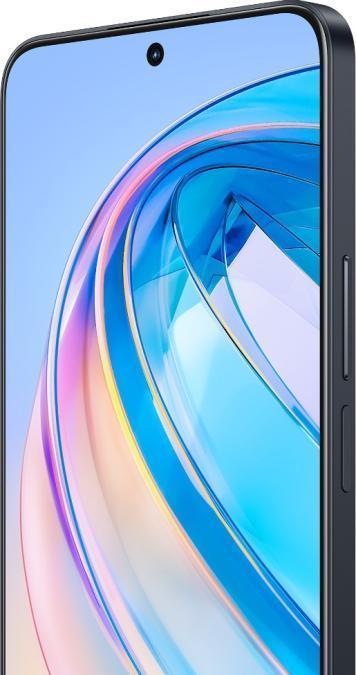
Digital screens are now part of nearly every moment of daily life—checking messages in the morning, browsing social media during breaks, and watching videos before bed. While phones offer convenience, they also put constant strain on our eyes. Many people experience dryness, blurry vision, headaches, or a heavy feeling around the eyes after long screen sessions. These symptoms are signs of digital eye strain, which becomes more common as screen time increases. This article explains why your eyes feel tired after using your phone and what simple habits can help reduce the discomfort.
Blue Light Strains Eyes
High-energy light scatters more
Phone screens produce blue light, which is a short-wavelength, high-energy form of visible light. Compared to warmer colors, blue light scatters more easily when it enters the eye. This scattered light can reduce visual contrast and make focusing feel less comfortable over time. Although blue light itself is not always harmful in small amounts, long exposure can contribute to eye fatigue during extended screen use. This is especially noticeable at night or in dark environments where your eyes are already working harder. As phones become brighter and more vivid, managing screen exposure becomes increasingly important for comfort.
Eyes work harder to focus
Your eyes naturally try to keep digital text and images sharp at all times. Unlike printed paper, screens refresh constantly and often contain tiny flickering elements that are not immediately visible to the human eye. This forces the eye muscles to stay active for longer periods without enough relaxation. Over time, that extra effort can create tension around the eyes and forehead. Long reading sessions on small screens can make the effect even more noticeable. The result is the tired, strained feeling many people experience after hours of scrolling or watching videos.
You Blink Less
Blink rate drops by half
When people focus on a phone screen, they tend to blink far less than normal. Under regular conditions, humans blink naturally to keep the eyes moist and comfortable throughout the day. However, during concentrated screen use, blink rates can drop dramatically without people realizing it. This means the protective tear layer on the eyes evaporates more quickly. Once the surface of the eye becomes dry, discomfort starts building gradually. Many people only notice the problem after their eyes already feel irritated or tired.
Leads to dry, tired eyes
Dryness is one of the most common symptoms connected to heavy phone use. Eyes may start to feel itchy, sore, or sensitive after long periods of reading or watching content. Some people also experience temporary blurry vision because the eye surface is no longer evenly hydrated. Air conditioning, fans, or dry indoor environments can make the issue even worse. Fortunately, small habits like blinking more consciously and taking short breaks can make a noticeable difference. Keeping your eyes properly hydrated is one of the simplest ways to reduce digital fatigue.
Fixed Distance Is Tiring
Eyes stay locked at one range
Your eyes are designed to constantly shift focus between different distances in everyday life. Looking at nearby objects for too long forces the focusing muscles inside the eyes to remain engaged continuously. Phone use is especially demanding because the screen is usually held very close to the face. Over time, this fixed viewing distance can create tension and visual fatigue. The longer the muscles stay locked in one position, the more tired they become. This is why long phone sessions often feel more exhausting than casual real-world viewing.
Small text forces constant adjustment
Tiny text and crowded layouts can make eye strain worse. When letters are too small, your eyes repeatedly adjust focus to maintain clarity. This constant micro-adjustment adds extra stress to the visual system. Brightness changes, moving content, and scrolling also force the eyes to work harder than many people realize. Increasing text size slightly can reduce unnecessary effort during daily use. A more comfortable viewing setup often improves eye comfort immediately.
How to Reduce Strain
Use blue light filter
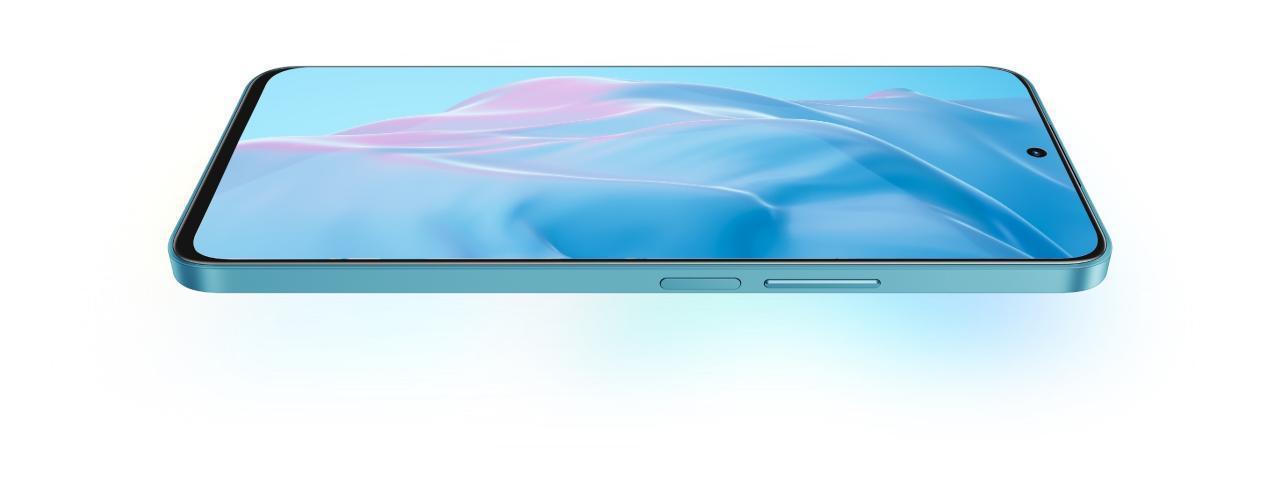
Blue light filters reduce the amount of harsh blue light emitted from screens, especially during evening use. Many modern smartphones also include built-in eye comfort modes that create a warmer, softer display. When used together, these features work even better. The filter handles the blue light reduction, while the phone’s native mode optimizes color temperature and brightness for longer viewing sessions. Devices like the HONOR X8a phone with its FullView Eye Care Display take this further by integrating both into a more comfortable viewing experience. While no feature can completely eliminate eye strain, combining a blue light filter with a phone’s built-in eye comfort mode—plus good daily habits—can significantly improve screen comfort over time.
Follow 20-20-20 rule
One of the easiest ways to reduce eye strain is the 20-20-20 rule. Every 20 minutes, look at something about 20 feet away for at least 20 seconds. This short pause allows the eye muscles to relax and reset naturally. The habit may sound simple, but it can greatly reduce fatigue during long work or study sessions. Over time, these small breaks help your eyes recover before strain builds too much. Consistency matters more than perfection when building healthier screen habits.
Conclusion
Eye fatigue from phone use is very common as screen time keeps increasing. Blue light exposure, less blinking, and constant close focusing all contribute to the discomfort. The good news is that small adjustments help—like eye comfort displays, better lighting, and regular breaks. Building these habits early can improve both daily comfort and long-term screen use. Healthier eyes often come from small daily changes, not dramatic solutions.